Learn everything about TPMS sensors (Tire Pressure Monitoring Systems), including how they work, types, benefits, and replacement tips. Keep your vehicle safe with properly functioning TPMS sensors.
Maintaining proper tire pressure is crucial for vehicle safety, fuel efficiency, and tire longevity. A TPMS sensor (Tire Pressure Monitoring System sensor) helps drivers monitor tire pressure in real time, reducing the risk of accidents and improving performance. In this guide, we’ll explore how TPMS sensors work, their types, benefits, common issues, and replacement tips.
A TPMS sensor is an electronic device installed in a vehicle’s tires to monitor air pressure. It alerts the driver when tire pressure is too low, helping prevent blowouts, poor fuel economy, and uneven tire wear.
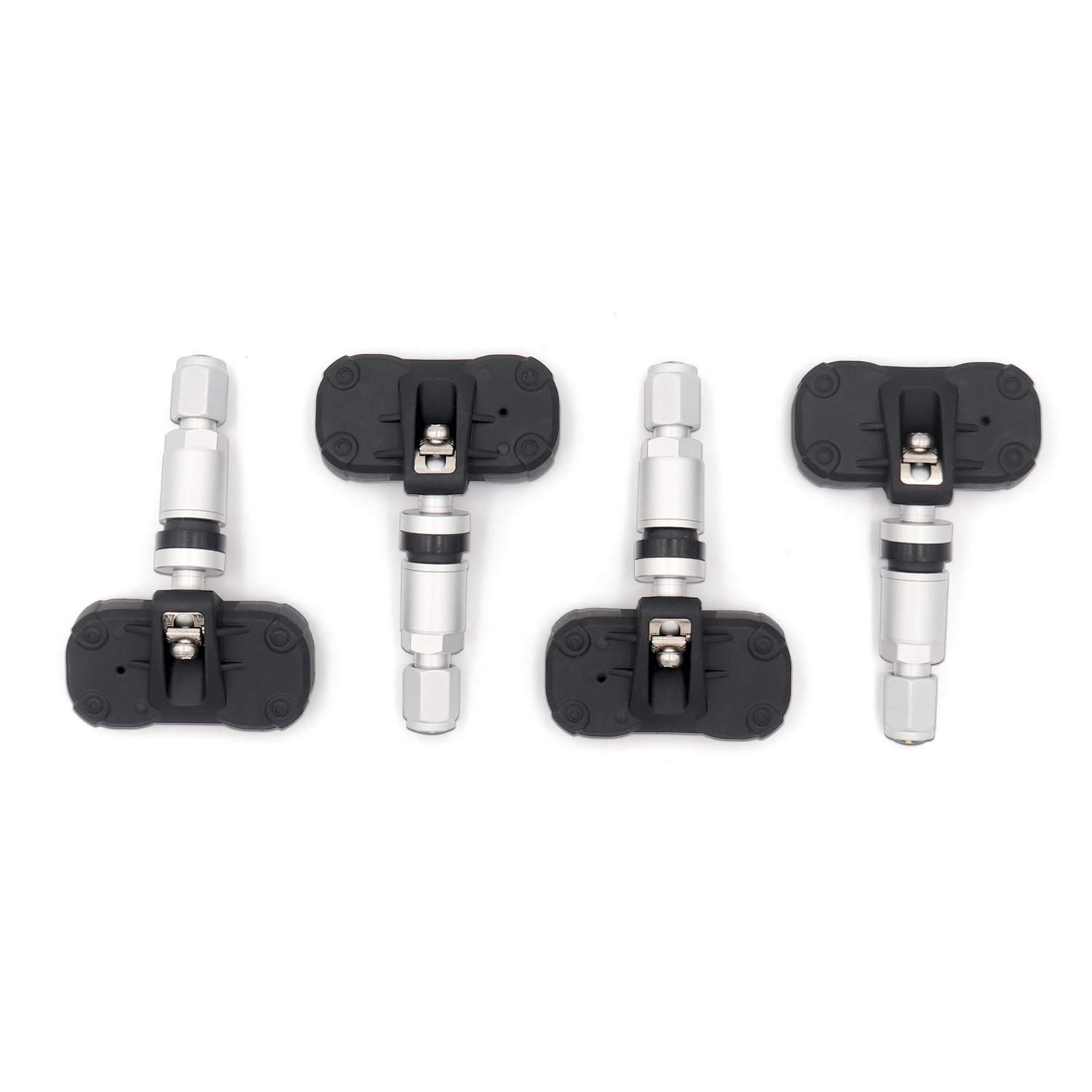
Why Are TPMS Sensors Important?
Prevent accidents caused by underinflated tires
Improve fuel efficiency by up to 3%
Extend tire lifespan by ensuring proper inflation
Comply with safety regulations (mandatory in the U.S. since 2007)
Types of TPMS Sensors
There are two main types of TPMS sensors:
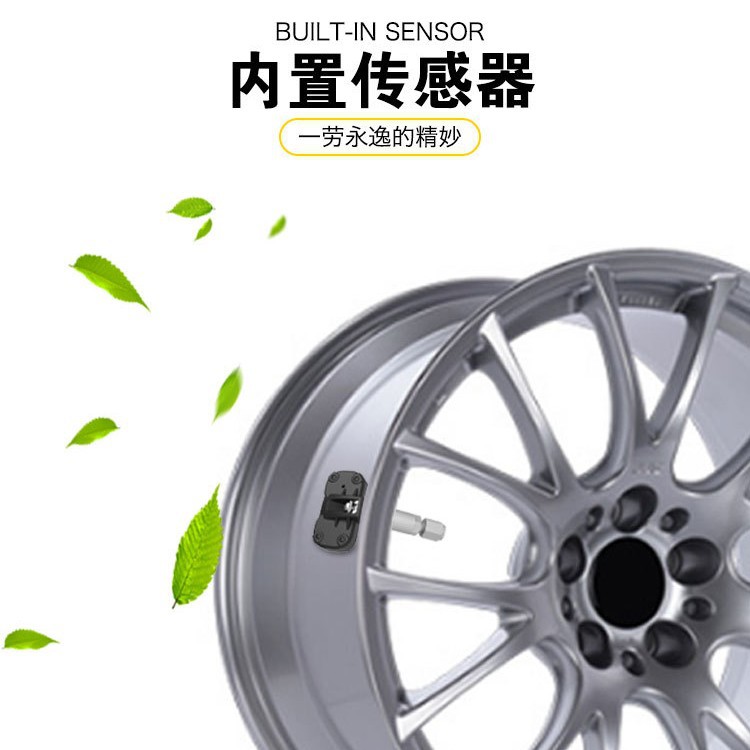
1. Direct TPMS Sensors
Installed inside each tire
Measure real-time pressure and temperature
Send data wirelessly to the vehicle’s dashboard
More accurate but require battery replacement
2. Indirect TPMS Sensors
Use wheel speed sensors (ABS-based)
Estimate pressure based on tire rotation differences
Less accurate but no battery replacement needed
Often found in older vehicles
How Does a TPMS Sensor Work?
Pressure Detection: The TPMS sensor measures air pressure inside the tire.
Data Transmission: It sends signals to the car’s computer via radio frequency (RF).
Dashboard Alert: If pressure drops below the recommended level, a warning light (⚠️) appears.
Benefits of TPMS Sensors
Enhanced Safety: Reduces the risk of tire-related accidents.
Better Fuel Economy: Properly inflated tires improve gas mileage.
Longer Tire Life: Prevents premature wear due to underinflation.
Regulatory Compliance: Meets U.S. and European safety standards.
Common TPMS Sensor Problems
Even the best TPMS sensors can encounter issues:
1. Dead or Weak Battery
Most direct TPMS sensors have a 5-10 year battery life.
Symptoms: Inconsistent readings or no signal.
2. Sensor Damage
Corrosion, impact, or improper installation can damage sensors.
3. Faulty Valve Stems
Leaks or cracks can cause pressure loss and sensor errors.
4. System Reset Needed
After tire rotation or replacement, the system may need recalibration.
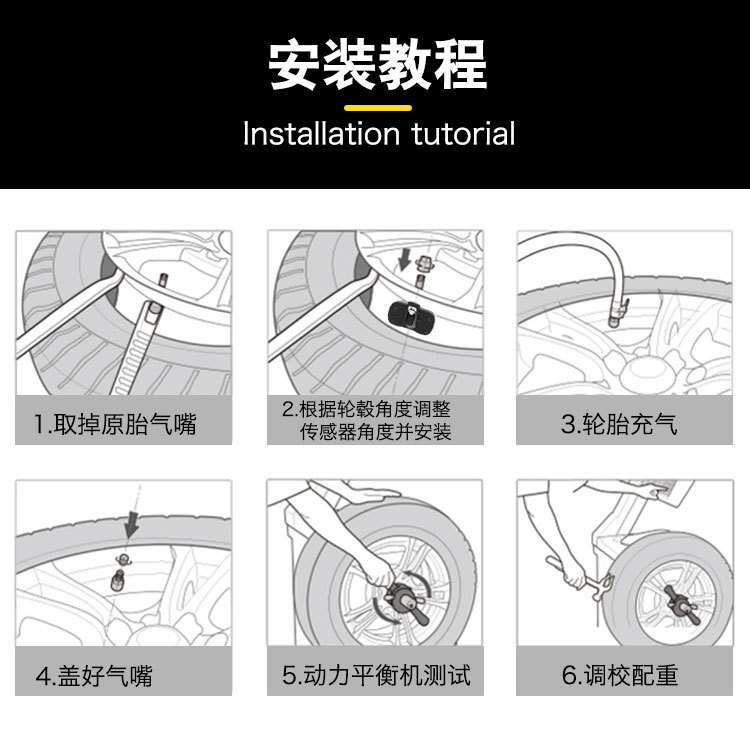
How to Replace a TPMS Sensor
If your TPMS sensor fails, follow these steps:
Step 1: Identify the Faulty Sensor
Use a TPMS scan tool to check each sensor’s status.
Step 2: Remove the Old Sensor
Break the tire bead and replace the sensor (or entire valve stem if needed).
Step 3: Install the New TPMS Sensor
Ensure compatibility with your vehicle’s make and model.
Program the sensor using an OBD-II tool if required.
Step 4: Recalibrate the System
Follow the manufacturer’s reset procedure (often found in the owner’s manual).
TPMS Sensor Maintenance Tips
Check Tire Pressure Monthly: Even with TPMS sensors, manual checks help.
Inspect Sensors During Tire Changes: Mechanics should check for damage.
Replace Batteries When Needed: Direct sensors may need new batteries after 5-10 years.
Avoid Harsh Chemicals: Some cleaners can damage sensor components.
Frequently Asked Questions (FAQs)
1. How long do TPMS sensors last?
Most last 5-10 years, depending on battery life and usage.
2. Can I replace a TPMS sensor myself?
Yes, but programming may require a professional scan tool.
3. Why is my TPMS light on but tires are fine?
Possible causes:
Faulty sensor
System needs resetting
Temperature fluctuations affecting pressure
4. Are
TPMS sensors universal?
No, they vary by vehicle make and model. Always check compatibility.
5. How much does a TPMS sensor replacement cost?
Typically $50-$150 per sensor, including labor.
A TPMS sensor is a vital safety feature that helps maintain proper tire pressure, improves fuel efficiency, and prevents accidents. Understanding how they work, their types, and maintenance needs ensures your vehicle stays safe on the road. If your TPMS warning light comes on, don’t ignore it—check your tires or consult a professional.
For high-quality TPMS sensors and automotive diagnostic tools, visit
cartooldeal.com today!