Discover the true return on investment of a truck diagnostic tool. Learn how proactive maintenance, reduced downtime, and significant cost savings make it a worthwhile investment for any fleet manager or owner-operator.
The Myth of the "Costly" Diagnostic Tool: A Closer Look at ROI
For many fleet managers and owner-operators, the initial price tag of a professional truck diagnostic tool can seem like a significant expense. But what if that tool wasn't an expense at all, but one of the smartest investments you could make for your business? The true value of a high-quality diagnostic scanner lies not in its purchase price, but in the measurable return on investment (ROI) it delivers by slashing operational costs and maximizing uptime. This article breaks down the quantifiable benefits, proving how a diagnostic tool can pay for itself and become an indispensable part of your fleet management strategy.
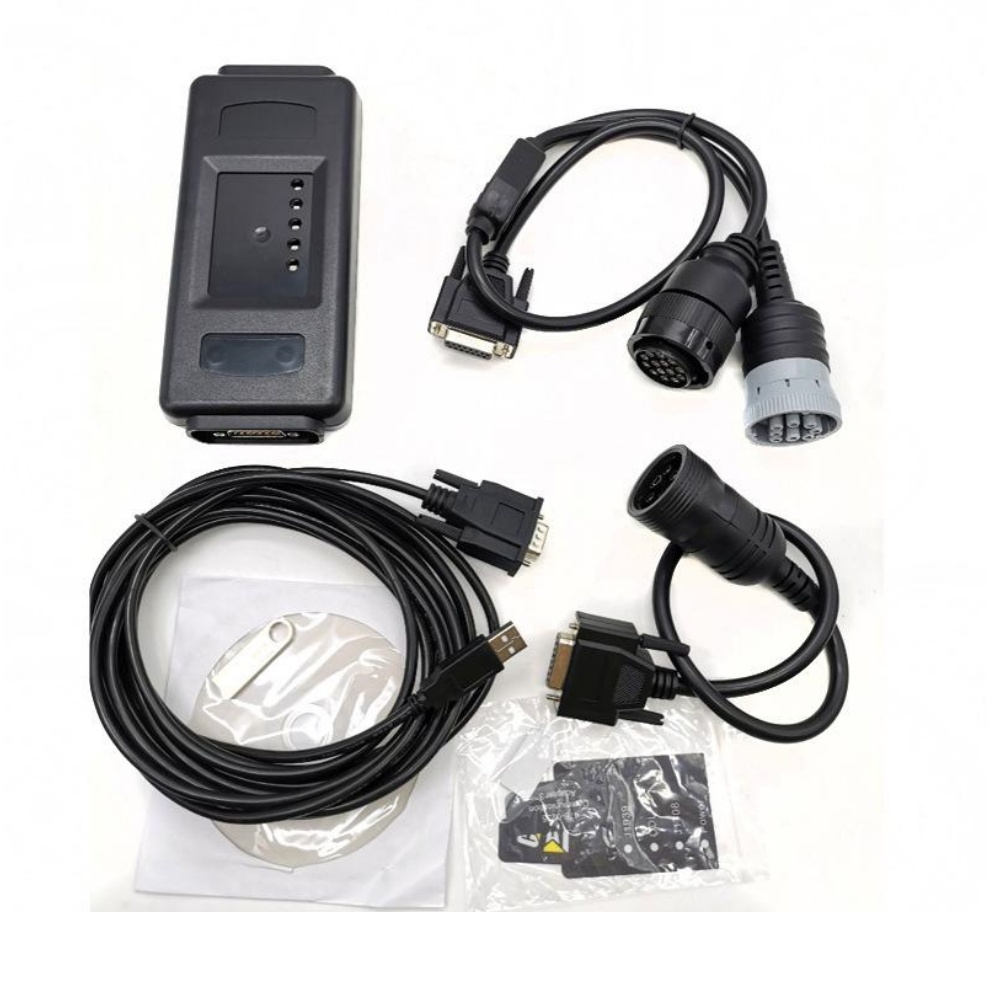
1. The High Cost of Downtime: Saving an Average of $1,500 per Day
The single most significant cost factor for any trucking operation is unscheduled downtime. Every hour a truck spends in the service bay is an hour it's not generating revenue. Industry data shows that the average downtime cost for a heavy-duty truck can be as high as $1,500 per day.
A professional
truck diagnostic tool minimizes this loss by:
Pinpointing Problems Instantly: Instead of spending hours or even days on guesswork, a diagnostic tool provides real-time data and specific fault codes, allowing technicians to identify the root cause of an issue in minutes.
Enabling Proactive Maintenance: The tool allows you to read and clear fault codes, identify trends, and catch minor issues before they escalate into catastrophic failures. This turns reactive, expensive repairs into planned, routine maintenance.
2. Drastic Reduction in Repair Costs: Turning a $50,000 Catastrophe into a $3,000 Repair
Ignoring a small issue can lead to a major financial disaster. For instance, while a proactive brake pad replacement might cost $300-$500, neglecting a warning sign could lead to a complete system failure costing $2,000-$3,000. The savings become even more dramatic when addressing complex engine issues.
A case study on a large food and beverage fleet demonstrated the power of predictive maintenance. By using diagnostic data to get an advanced warning of impending engine failures, the company was able to turn potential $50,000 engine replacement catastrophes into manageable $3,000 repairs. This saved the fleet over $1 million in just four months.
3. Maximizing Fleet Longevity & Fuel Efficiency
heavy duty diagnostic scanner do more than just fix problems—they optimize vehicle performance. By monitoring live data, you can detect minor inefficiencies like a clogged fuel injector or a faulty oxygen sensor. Fixing these small issues can lead to significant improvements in fuel economy, which adds up to substantial savings over the lifespan of a vehicle. A well-maintained vehicle also lasts longer, with some studies suggesting that regular diagnostics can extend a vehicle's life by up to 20%. This prolongs the need for expensive vehicle replacements.
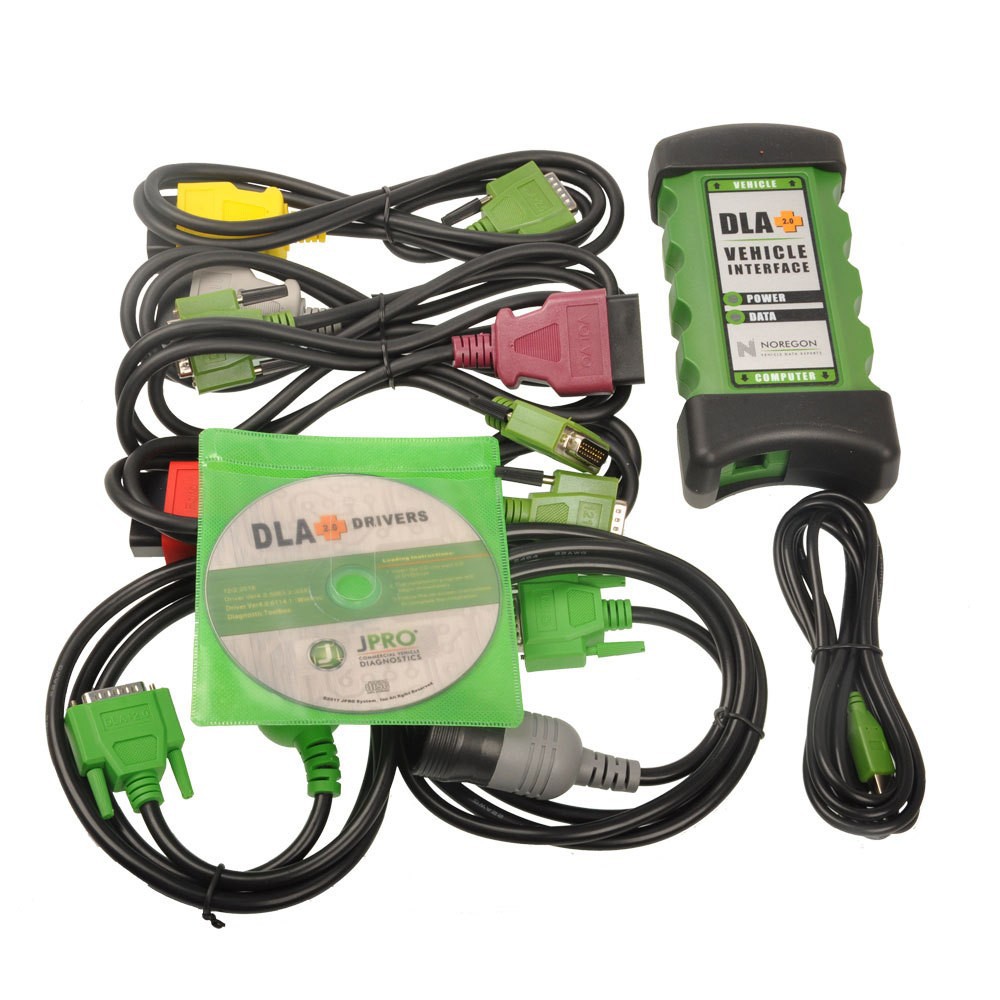
4. Reducing Unscheduled Downtime by 25%
A report by the predictive maintenance platform Pitstop revealed that its tools on average reduce a fleet's unscheduled downtime by 25% and cut maintenance and operations expenses by $2,000 per vehicle annually. This translates to an impressive 10x ROI for the initial investment.
5. Mitigating the Risk of Costly Accidents
Beyond maintenance costs, a diagnostic tool is a critical safety investment. By catching issues with brake systems, electrical systems, and other critical components, you can prevent equipment failures that could lead to an accident. The financial impact of such an event is staggering, with accidents caused by equipment failure costing fleets an average of $70,000 per incident, not to mention the potential for injury and reputational damage.
The Final Word on ROI
The question isn't whether you can afford a
diesel engine scanner—it's whether you can afford not to have one. The data is clear: the one-time investment in a quality diagnostic scanner is quickly dwarfed by the massive, long-term savings it provides. By enabling proactive maintenance, reducing downtime, and improving efficiency, a diagnostic tool is more than just a piece of equipment; it's a financial asset that protects your bottom line and ensures the long-term health and profitability of your business.