Is your truck's check engine light on? Don't panic. Learn the most common causes, simple troubleshooting steps, and how to use a diagnostic tool to read the fault code. Get the right truck diagnostic tool for your truck and fix the problem fast.
Seeing a check engine light on your truck’s dashboard can be unsettling. That little illuminated engine icon—sometimes called the malfunction indicator lamp (MIL)—can signal a wide range of issues, from a simple loose gas cap to a more serious engine or emissions system problem. For truck drivers, who depend on their vehicles for work or daily life, understanding this warning is the first step toward a quick and affordable repair.
This guide will demystify the check engine light, break down its most common causes, provide you with preliminary troubleshooting steps you can take right now, and—most importantly—show you how to use a powerful
truck diagnostic tool to accurately identify the problem.
Understanding the Check Engine Light: Solid vs. Flashing
Before you do anything else, you need to understand the difference between a solid light and a flashing light. This is a crucial distinction that can prevent further damage to your truck.
A Solid, Steady Light: This indicates that your truck's onboard diagnostic (OBD) system has detected a problem. While it needs to be addressed soon, it is typically not an immediate emergency. It's safe to continue driving to an auto parts store or home, but you should not ignore it for long.
A Flashing or Blinking Light: This is an urgent warning. A flashing light, often accompanied by noticeable performance issues like a loss of power or a rough idle, signals a severe problem. The most common cause is a critical engine misfire. If you see a flashing light, you should pull over immediately in a safe location and turn off the engine to prevent potentially catastrophic damage to your truck’s catalytic converter and other expensive components.
The Top 10 Common Causes of a Truck’s Check Engine Light
The check engine light is triggered by a diagnostic trouble code (DTC) stored in your truck’s computer. While thousands of codes exist, these are the most common issues that trigger the light in trucks.
Loose or Faulty Gas Cap: This is the most common and easiest-to-fix cause. Your gas cap is a key part of the evaporative emissions (EVAP) system, which prevents fuel vapors from escaping the tank. If the cap is not sealed properly, it can trigger the light.
Failing Oxygen (O2) Sensor: The O2 sensor measures the amount of unburned oxygen in your exhaust system. This data helps your truck’s computer determine the correct air-to-fuel ratio for optimal performance and efficiency. A bad O2 sensor can cause a decrease in fuel economy and an increase in harmful emissions.
Bad Catalytic Converter: The catalytic converter converts toxic exhaust pollutants into less harmful gases. A failing catalytic converter is a serious problem that can reduce your engine's power, cause poor fuel economy, and may be a sign of a larger, unaddressed issue upstream, like a failing O2 sensor or engine misfire.
Faulty Spark Plugs or Ignition Coils: Spark plugs ignite the air-fuel mixture in your engine's combustion chambers. If a plug or ignition coil is worn out or damaged, it can cause a misfire. This is a common cause of a flashing check engine light and can damage your catalytic converter if left untreated.
Malfunctioning Mass Airflow (MAF) Sensor: The MAF sensor measures the amount of air entering the engine, allowing the computer to calculate how much fuel to inject. A dirty or failing MAF sensor can lead to a lean or rich air-fuel mixture, causing poor idling, stalling, and increased emissions.
EGR System Issues (Exhaust Gas Recirculation): Found in many trucks, the EGR valve helps to reduce nitrogen oxide (NOx) emissions by recirculating a small portion of exhaust gas back into the combustion chambers. A clogged or stuck EGR valve can trigger the check engine light and cause engine performance issues.
DPF Issues (Diesel Particulate Filter): For diesel trucks, the Diesel Particulate Filter (DPF) is a critical emissions component that traps soot and ash. Over time, the DPF can become clogged and require "regeneration" to burn off the trapped particles. If this process fails or the DPF is clogged beyond its limit, it will trigger a check engine light and require professional intervention.
Minor Vacuum Leaks: A small crack or leak in a vacuum hose can disrupt the air-to-fuel mixture, causing the engine to run lean. This is a common cause of a steady check engine light and can be difficult to find without a proper diagnostic test.
Bad Fuel Injectors: A faulty fuel injector can fail to deliver the correct amount of fuel, causing a misfire. This will often be indicated by a specific diagnostic trouble code pointing to the cylinder with the bad injector.
Thermostat Problems: Your truck’s thermostat regulates the engine’s operating temperature. If it fails, it can cause the engine to run too hot or too cold, which will trigger the check engine light.
Preliminary Troubleshooting: What You Can Do Right Now
While you can't fix every problem yourself, you can start with these simple steps.
Check the Gas Cap: The first thing to do is ensure your gas cap is on tightly. Unscrew it, and then screw it back on until you hear a clicking sound. Drive for a few days, and if the light was caused by a loose cap, it should turn off on its own.
Listen for Unusual Sounds: Pay attention to any new noises, such as hissing sounds (which could indicate a vacuum leak), a rough or sputtering idle, or a rattling sound (which could indicate a catalytic converter issue).
Monitor Performance: Notice if your truck is driving differently. Is it slow to accelerate? Does it hesitate or feel sluggish? Is it getting worse gas mileage? These are all symptoms that can point to the underlying cause.
The only way to know the exact cause of your check engine light is to read the code stored in your truck’s computer using an OBD-II diagnostic scanner. This is the same tool a professional mechanic would use, and owning one gives you the power to diagnose your truck from home.
How to Use a Diagnostic Tool to Read Your Truck's Code
Using a modern OBD-II scanner is a simple, three-step process:
Step 1: Locate the OBD-II Port
Your truck’s OBD-II port is a standardized connector that has been required on all vehicles since 1996. It’s typically located under the dashboard, on the driver’s side, near the steering column. It's often covered by a small plastic panel.
Step 2: Connect the Scanner
With the ignition off, simply plug the scanner’s cable into the port. Then, turn your truck’s ignition to the "on" position without starting the engine. The scanner should power up automatically and prompt you to begin the scan.
Step 3: Read the Diagnostic Trouble Codes (DTCs)
Follow the on-screen instructions to read the codes. The scanner will display a five-character code that starts with the letter 'P' (for Powertrain), followed by four numbers (e.g., P0420). The scanner may also provide a brief description of the code, such as "Catalyst System Efficiency Below Threshold."
Once you have the code, you can use the internet or the scanner's included software to look up the exact meaning. This information will tell you precisely what is wrong and can help you decide on the best course of action.
Choosing the Right Diagnostic Tool for Your Truck
The market is filled with diagnostic tools, and the right one for you depends on your needs.
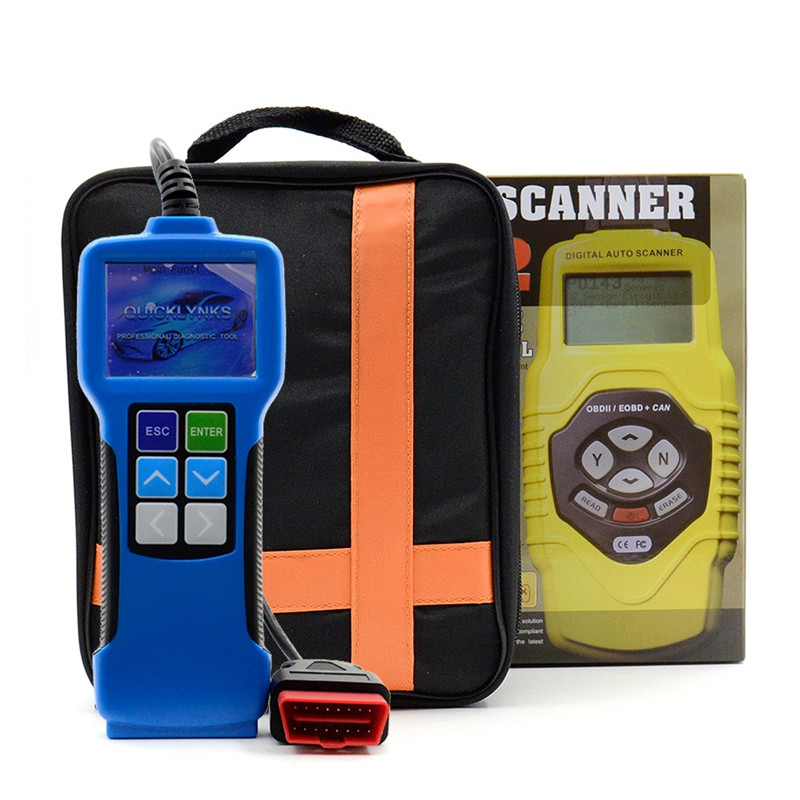
Basic Truck Code Readers: These are simple, affordable tools that will read and clear basic check engine codes. They are perfect for the average truck owner who just wants to find out why the light is on.
Bluetooth Scanners: These are small, convenient tools that plug into the OBD-II port and connect to an app on your smartphone. They offer more features than basic readers, including live data monitoring and model-specific repair reports. This is a great choice for the DIY truck owner who wants to be more involved in their truck's maintenance.
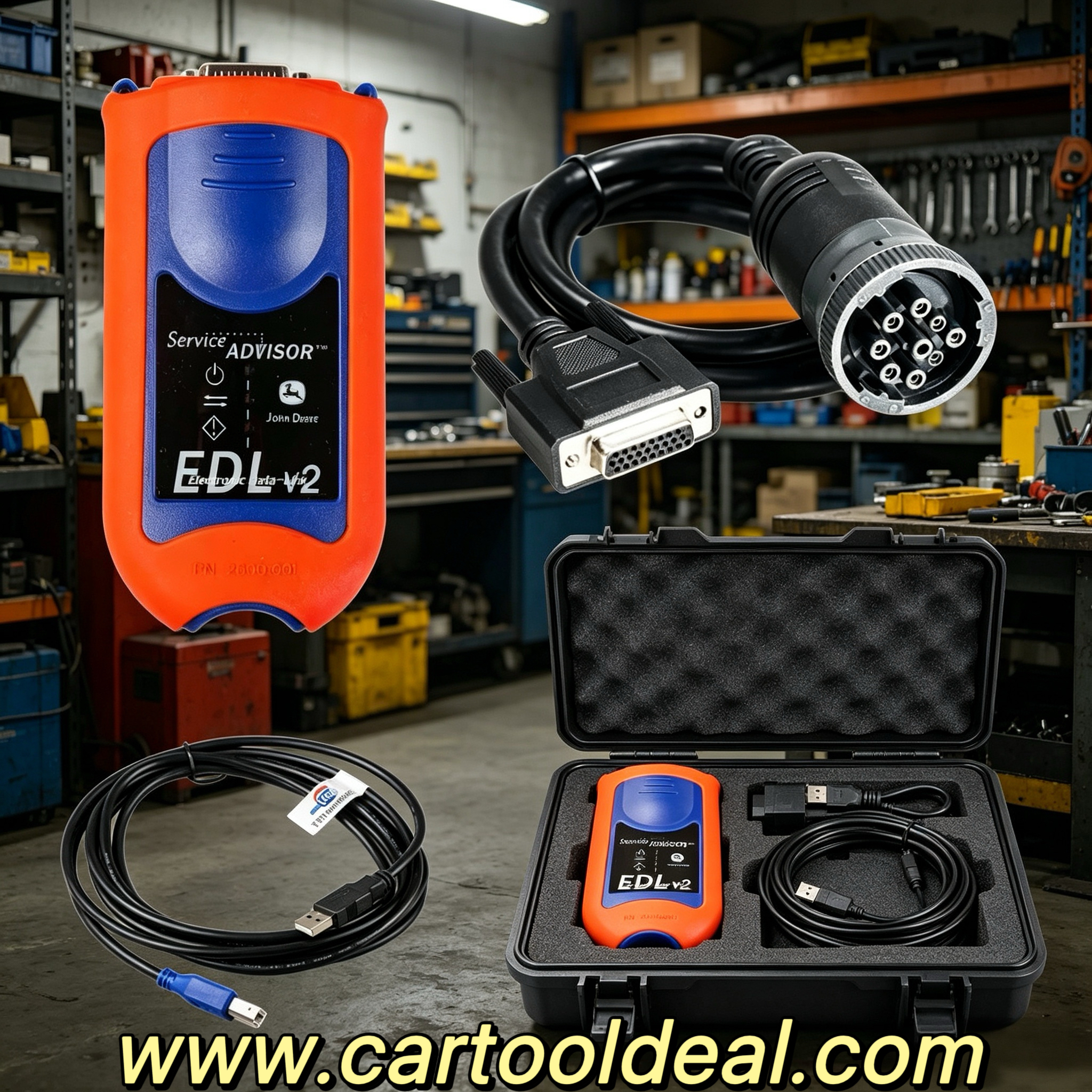
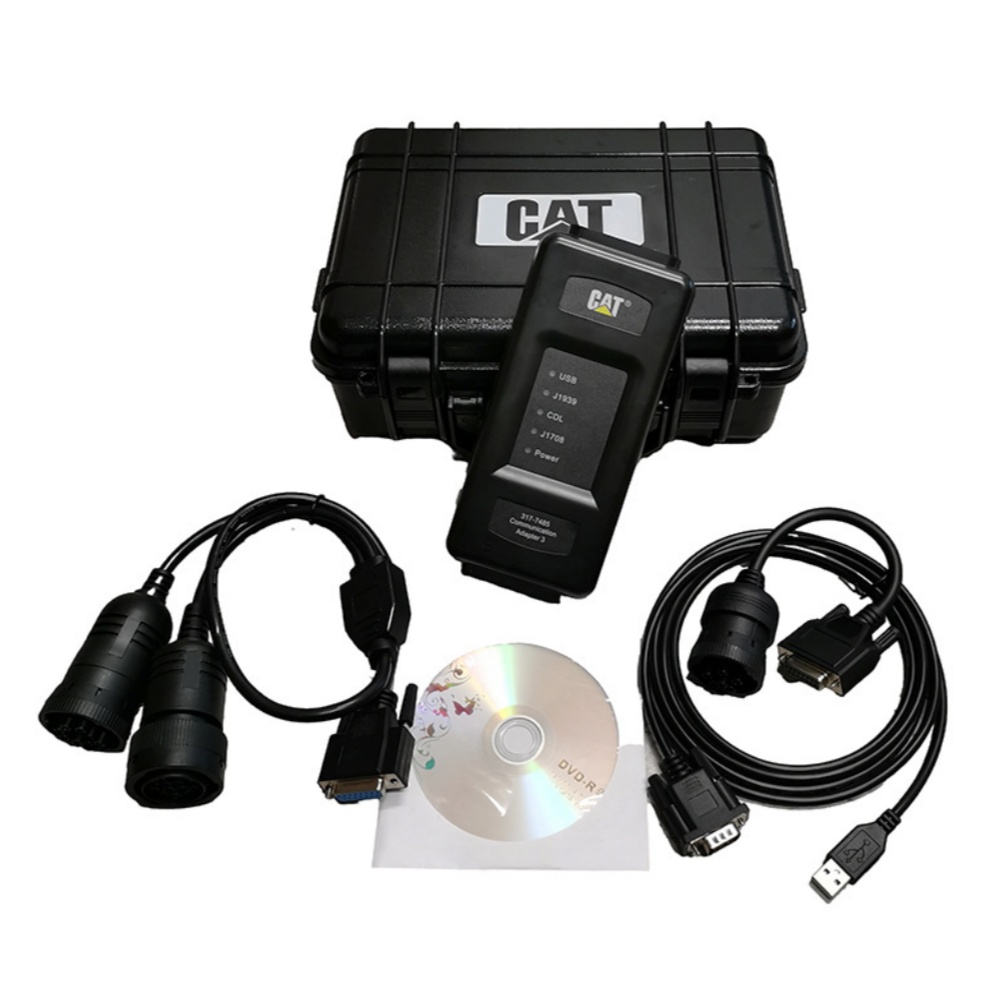
Professional-Grade Scanners: Designed for mechanics and serious truck enthusiasts, these advanced scanners offer comprehensive features like bi-directional control, system-specific diagnostics (like DPF regeneration), and the ability to read codes from all your truck’s systems (ABS, airbag, etc.). For heavy-duty truck owners or those who work on their vehicles frequently, this is the ultimate solution.
What to Do After You Get the Code
Once you have the DTC, you're in the driver's seat.
For simple codes (like P0440 - EVAP system leak): You can try the easy fix, such as tightening the gas cap. If the light persists, you can research and troubleshoot further, or take it to a professional.
For more complex codes (like P0420 - Catalytic Converter): You should research the code to see what typically causes it. The catalytic converter itself is often the symptom, not the root cause.
For urgent, flashing lights (like P0300 - Engine Misfire): Take the code to a trusted mechanic immediately. Driving your truck with a flashing light can cause thousands of dollars in damage.
Knowing the exact code allows you to avoid being upsold on unnecessary repairs and empowers you to have an informed conversation with a mechanic.
Conclusion
A check engine light is not a death sentence for your truck. It's an alert from a sophisticated system designed to help you maintain your vehicle's health. By understanding the common causes and, most importantly, by using a diagnostic tool to read the precise fault code, you can take control of the situation. Owning a diagnostic tool is the best investment a truck owner can make—it saves you money on diagnostic fees, prevents small problems from becoming large, and gives you the peace of mind to drive with confidence.
Explore
www.cartooldeal.com to find the perfect diagnostic tool for your truck and get back on the road safely and efficiently.