Your Ultimate Guide to Choosing the Best Car Diagnostic Tool
By cartooldeal
August 14th, 2025
596 views
Empower yourself with professional-grade car diagnostic tools. Read our comprehensive guide on OBD2 scanners, code readers, and advanced tools. Get expert insights, read real-world case studies, and find the right tool for your car. Shop now at CarToolDeal.com!
Cars today are more complex than ever, relying on sophisticated computer systems to run efficiently. When something goes wrong, the check engine light illuminates, leaving many drivers feeling helpless. This is where a car diagnostic tool becomes essential. Whether you're a DIY enthusiast or a professional mechanic, having the right tool can save you time, money, and frustration.This article will guide you through the world of automotive diagnostics, helping you understand the different types of tools available and how to choose the best one for your needs. We'll cover everything from simple code readers to advanced professional diagnostic scanners, including real-world case studies to demonstrate their power.
Understanding the types of diagnostic tools is the first step to making a smart purchase.
1. Basic Code Readers
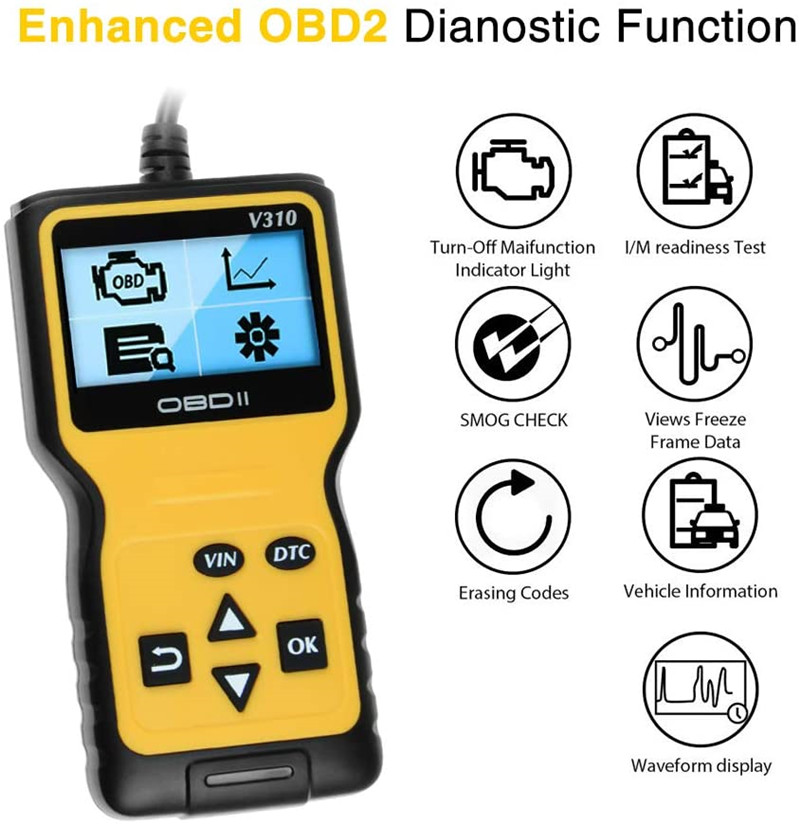
These are the simplest and most affordable tools. They connect to your car's OBD2 port and read the diagnostic trouble codes (DTCs). A basic obd2 scanner code reader will tell you what the code is (e.g., P0420) but won't provide much other information. They are great for DIYers who just want to know the general problem before taking their car to a mechanic.
2. OBD2 Scan Tools
More advanced than a basic reader, a scan tool can not only read and clear DTCs but also display live data from your car's sensors. This means you can see real-time information like engine RPM, coolant temperature, and oxygen sensor readings. This feature is crucial for diagnosing intermittent problems that don't always trigger a code.
3. Professional-Level Diagnostic Scanners
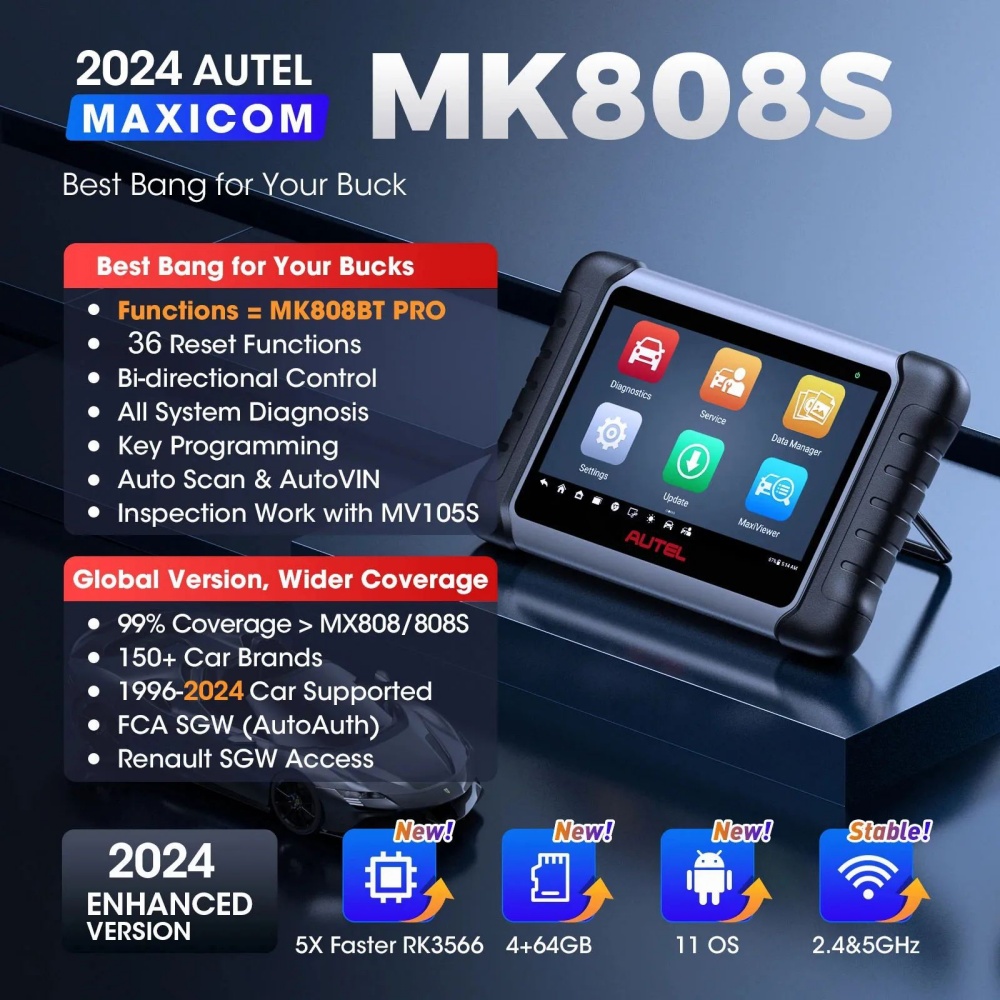
These are the most powerful and comprehensive tools available. Professional scanners offer all the features of a scan tool plus bi-directional control, special functions, and coding. With these tools, mechanics can activate components, perform relearns (like throttle body relearn), and access manufacturer-specific codes and data. They can diagnose issues across all vehicle systems, not just the engine.
Real-World Case Studies: How a Car Diagnostic Tool Saved the Day
These case studies illustrate the practical value of using the right diagnostic tool.Case Study 1: The Mysterious MisfireA customer's 2015 Ford F-150 was experiencing an intermittent engine misfire, but the check engine light wasn't always on. A basic code reader showed no DTCs. The customer then used a more advanced OBD2 scan tool to monitor the live data. By watching the misfire counters for each cylinder in real time, he was able to pinpoint that cylinder #4 was misfiring only under heavy acceleration. This information allowed him to replace the faulty spark plug and coil pack on that specific cylinder, saving him a trip to the mechanic and the cost of replacing parts that weren't broken.Case Study 2: The Sticking CaliperA customer’s 2018 Volkswagen Passat had a brake issue, with the brake pedal feeling spongy and the car pulling to one side. The mechanic suspected a stuck brake caliper but needed to confirm it. Using a professional diagnostic scanner, they performed a bi-directional test on the ABS module. This test allowed the mechanic to cycle the brake system and bleed the brakes electronically, revealing that the front-left brake caliper was indeed sticking. Without this advanced tool, the diagnosis would have been much more time-consuming and required more guesswork.
How to Choose the Right Car Diagnostic Tool for You
When selecting a diagnostic tool, consider your needs and skill level.
Previous
MB STAR C6: The Ultimate Mercedes-Benz Diagnostic Tool for Professionals
Read More
Next
How to Diagnose and Bleed Kelsey-Hayes ABS Brakes on a 2002 Workhorse P32 RV Chassis
Read More