Decode the difference between an OBD2 reader and an OBD2 scanner. Learn about their functions, capabilities, and which tool is right for your car diagnostic needs.
When your check engine light comes on, your first thought is probably, "What does that even mean?" The answer lies in your car's On-Board Diagnostics (OBD) system, and the tools used to access it: OBD2 readers and scanners. While the terms are often used interchangeably, they represent two distinct levels of diagnostic power.
OBD2 Reader: The Simple Code-Checker
Think of an OBD2 reader as a basic dictionary for your car's trouble codes. Its primary function is to do exactly what its name suggests: read codes.
Functionality: It connects to your vehicle's OBD2 port and retrieves Diagnostic Trouble Codes (DTCs), such as P0300 (Random/Multiple Cylinder Misfire Detected).
Data: It provides the generic "P" codes (powertrain codes) and often a brief, generic description of what the code means.
User: Ideal for the casual car owner or DIYer who wants to quickly identify a problem before taking their vehicle to a mechanic. It's great for checking if the check engine light is caused by a simple issue like a loose gas cap.
Limitations: It can't access manufacturer-specific codes (like those for ABS or airbag systems), display live data, or perform advanced functions like component testing or resetting service lights.
OBD2 Scanner: The Professional-Grade Diagnostic Tool
An OBD2 scanner is the all-in-one workshop for your vehicle's electronic systems. It goes far beyond simply reading codes.
Functionality: A scanner can read and clear generic and manufacturer-specific codes from various modules, including the ABS, SRS (airbag), transmission, and more. It can also perform live data stream analysis.
Data: It provides a comprehensive view of your car's health. You can view real-time data, such as engine RPM, coolant temperature, and oxygen sensor readings. Advanced scanners may even offer graphing to help pinpoint intermittent issues.
User: Suited for serious DIY enthusiasts and professional mechanics who need to perform in-depth diagnostics and repairs.
Capabilities: Many
OBD2 scanners come with "special functions" or "bi-directional controls," allowing them to interact with and command vehicle systems. This means you can use the scanner to perform an ABS brake bleed, reset the oil life monitor, or recalibrate a new sensor.
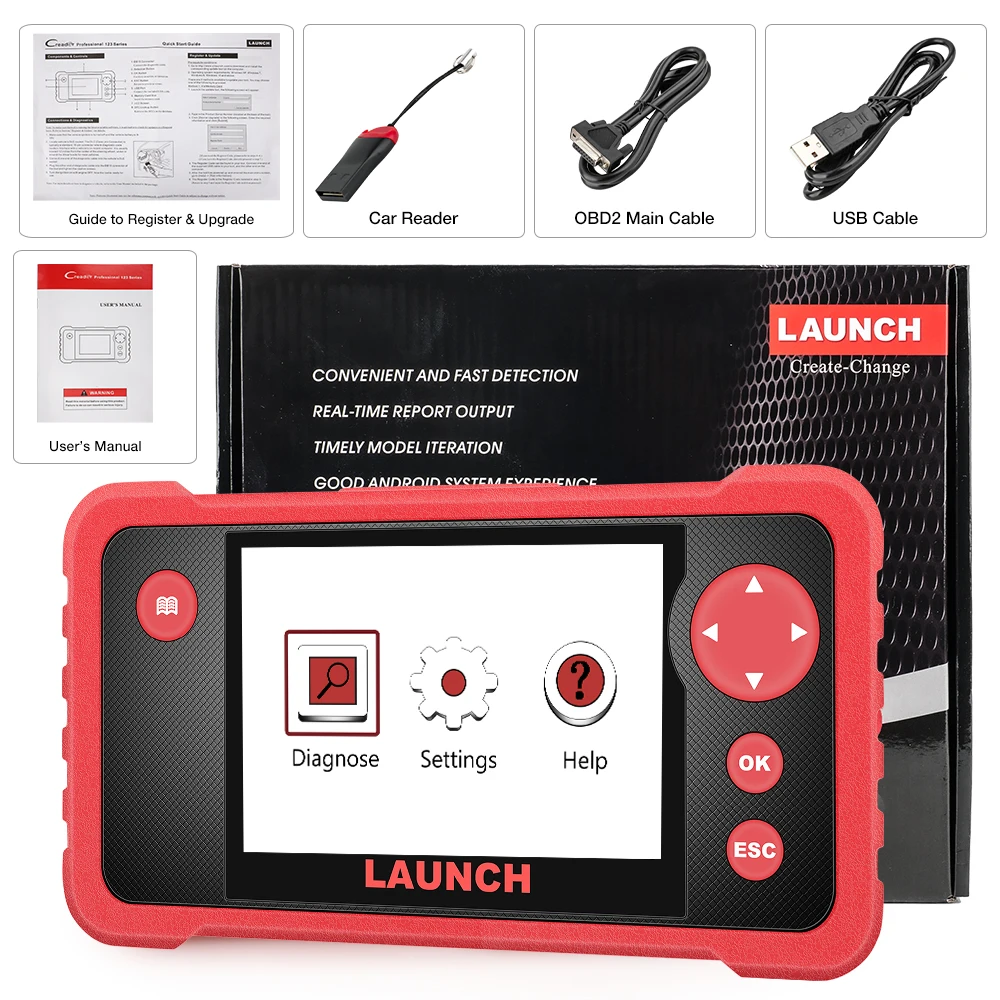
In Summary: Which OBD2 tool Do You Need?
The following example illustrates the difference between an OBD2 reader and an OBD2 scanner.
Imagine your check engine light comes on. You have two options: a basic OBD2 reader or a more advanced OBD2 scanner.
-
Using a basic OBD2 reader: You plug the reader into your car's OBD2 port. The screen displays a code, like P0420. The reader gives you a generic description: "Catalyst System Efficiency Below Threshold." That's it. This tells you there's an issue with your catalytic converter, but it doesn't provide any more details. You'll need to research online or take your car to a mechanic for further diagnosis.
-
Using a more advanced OBD2 scanner: You plug the scanner into your car. The scanner not only displays the P0420 code but also allows you to view live data. You can monitor the real-time readings from your oxygen sensors. If the scanner shows that the downstream O2 sensor's voltage is not fluctuating as it should, you have more specific information pointing to a failing catalytic converter or a faulty sensor itself. A high-end scanner might also offer "special functions," allowing you to run a specific test on the emissions system to pinpoint the exact cause of the P0420 code.
In this scenario, the reader gave you the initial code, but the scanner provided the deeper diagnostic information needed to confidently identify the problem.
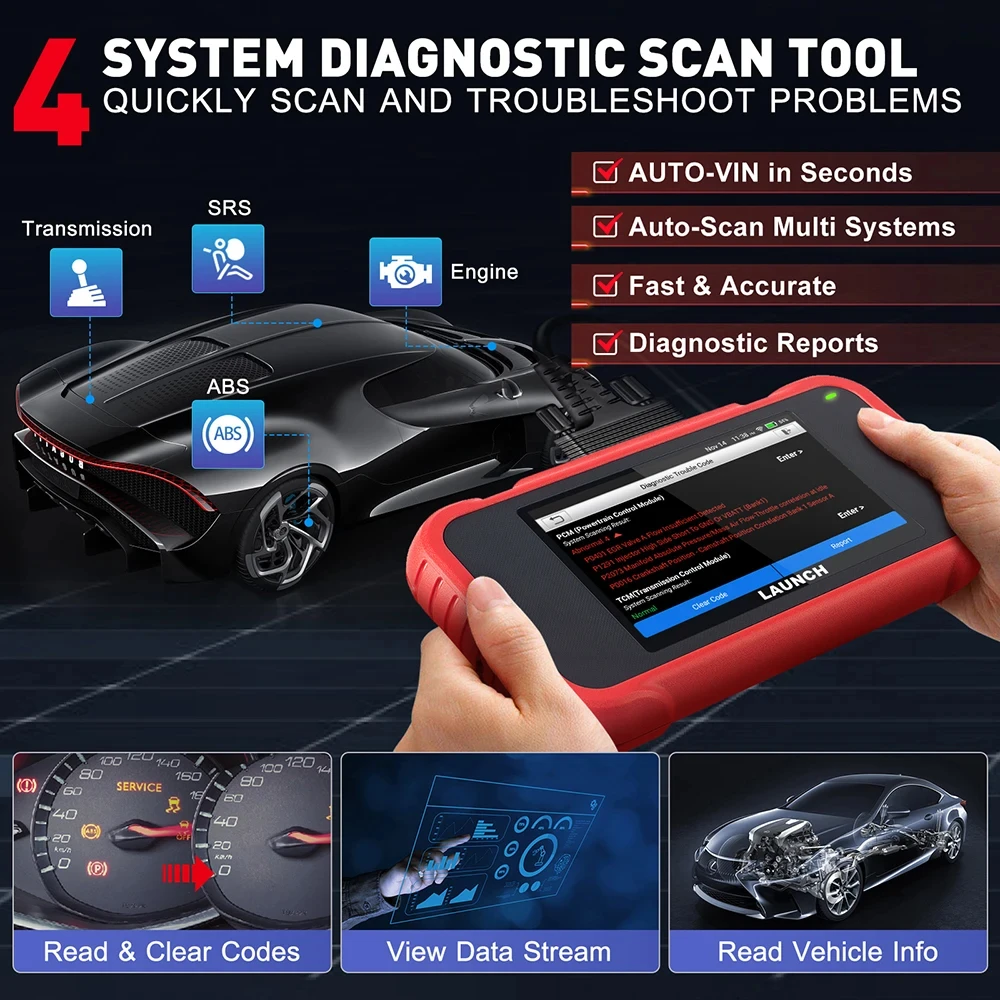
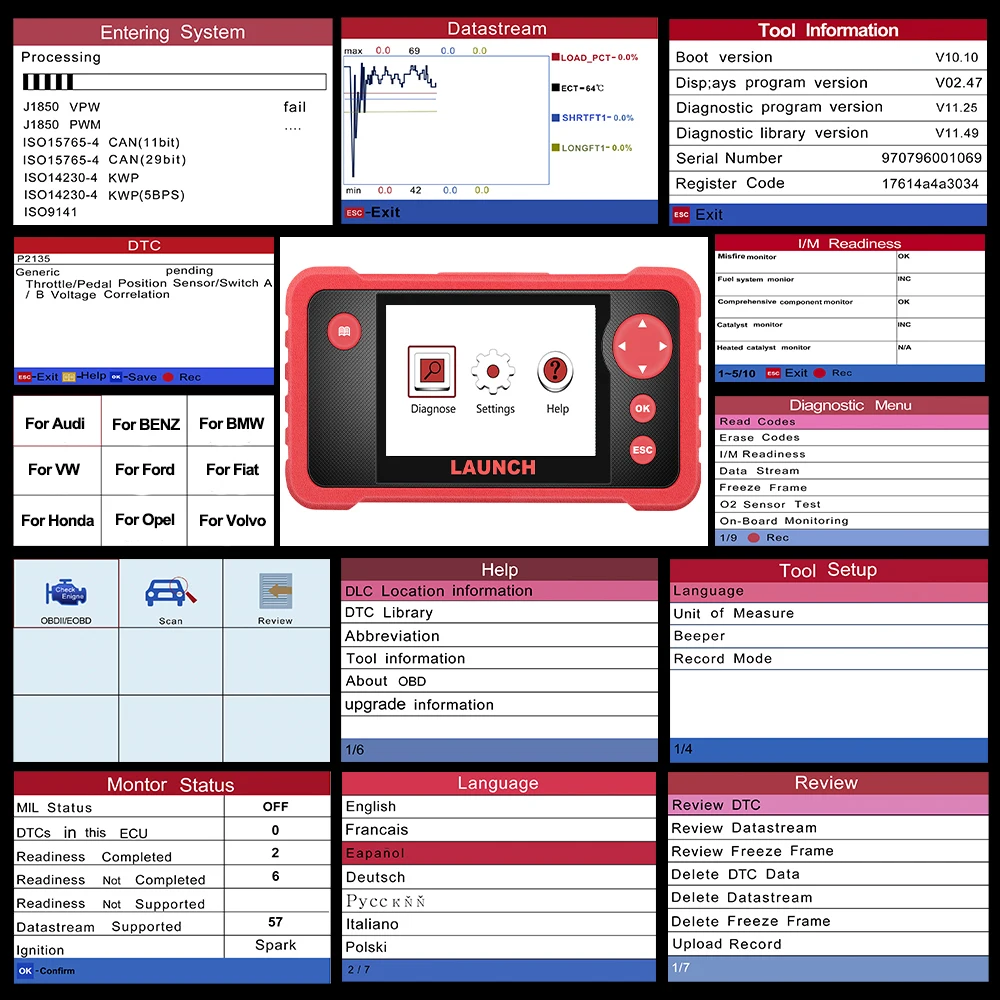
For anyone looking to save money on repairs and have a deeper understanding of their car, investing in a quality OBD2 scanner is a smart choice.