
If you own a JPRO DLA+ 2.0 Heavy Duty Truck Scanner, you already know it is one of the most powerful diagnostic tools for commercial diesel fleets. But here is the question that separates professional shops from backyard mechanics: Which software year are you running?
In the heavy-duty world, the hardware (the DLA+ 2.0 adapter) is only half the story. The software is the brain. Running the 2019 software version versus the 2025 version is like comparing a flip phone to a smartphone. Both make calls, but only one can handle modern apps.
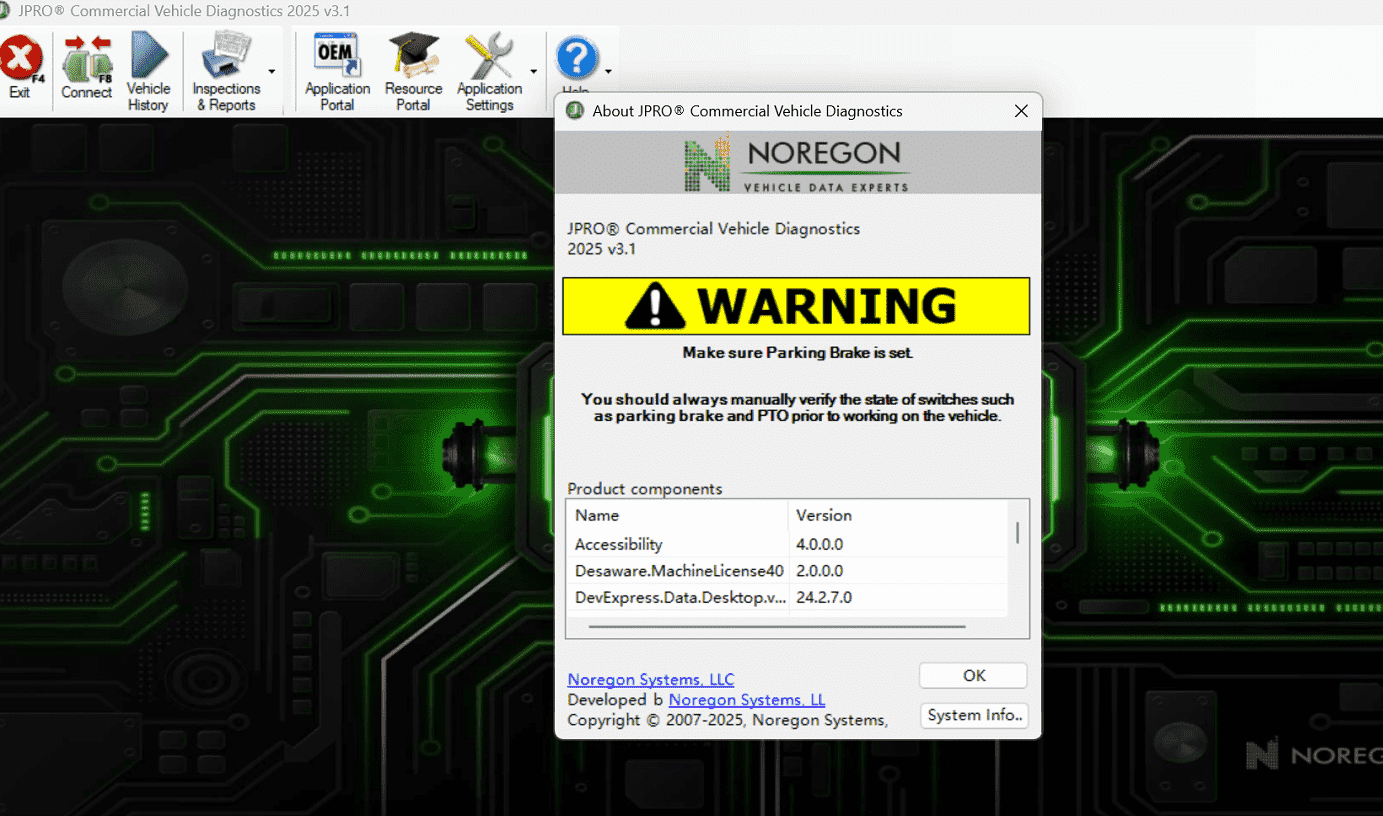
The single most critical difference is model year coverage. But the gap goes much deeper than just a number on a calendar. Here is the full breakdown of what you lose and gain when moving from JPRO 2019 to JPRO 2025.
Let’s cut straight to the data. The trucking industry updates electronic control units (ECUs) annually. If your software is frozen in 2019, you are blind to any engineering change made after that year.
JPRO Software 2019: Officially supports heavy-duty trucks up to the 2020 model year. It can diagnose older trucks reliably, but it lacks the protocol definitions for 2021, 2022, 2023, 2024, and 2025 trucks.
JPRO Software 2025: Officially supports 2025 model year vehicles straight from the factory. It is backward compatible, meaning it still handles your 2010–2020 fleet, but it also reads the latest ECUs from Freightliner, Kenworth, Peterbilt, Volvo, and International.
Why this matters: If a 2024 Kenworth T680 with a PACCAR MX-13 engine rolls into your bay and you are running JPRO 2019, your scanner will likely fail to connect to the engine ECU or will return "Unknown Control Unit." The 2025 version will identify the software version, run component tests, and clear codes instantly.
Many technicians assume that "a diesel is a diesel." That assumption breaks down around 2021. That was the year manufacturers began rolling out Phase 2 greenhouse gas (GHG2) emissions standards and advanced telematics gateways.
The 2019 software does not recognize:
Detroit Diesel's 5th generation (5th Gen) DDEC controls.
Cummins 2021+ X15 efficiency series parameter changes.
New transmission TCM protocols for Eaton Cummins Endurant HD.
The 2025 software was specifically rewritten to crack these protocols. Without the update, you cannot perform forced DPF regenerations, injector cutout tests, or reset aftertreatment aging counters on any post-2020 truck.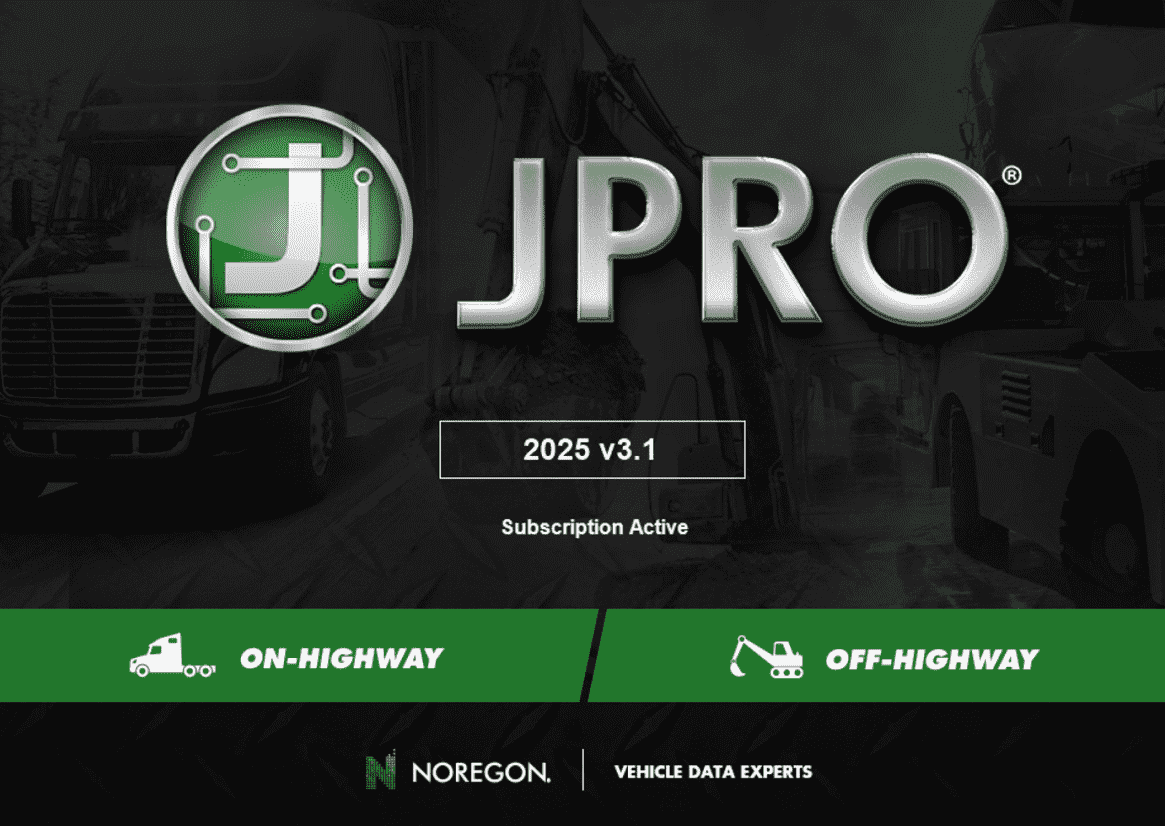
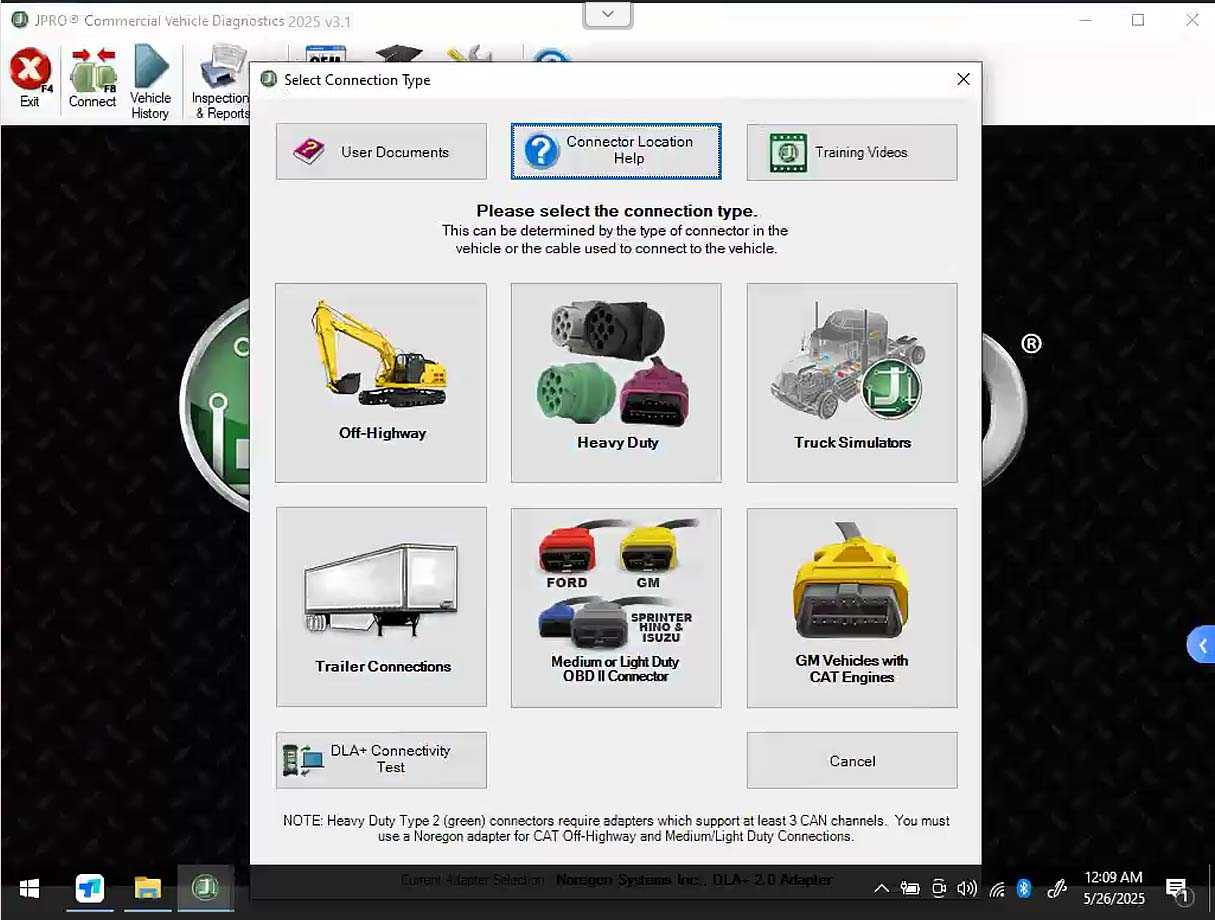
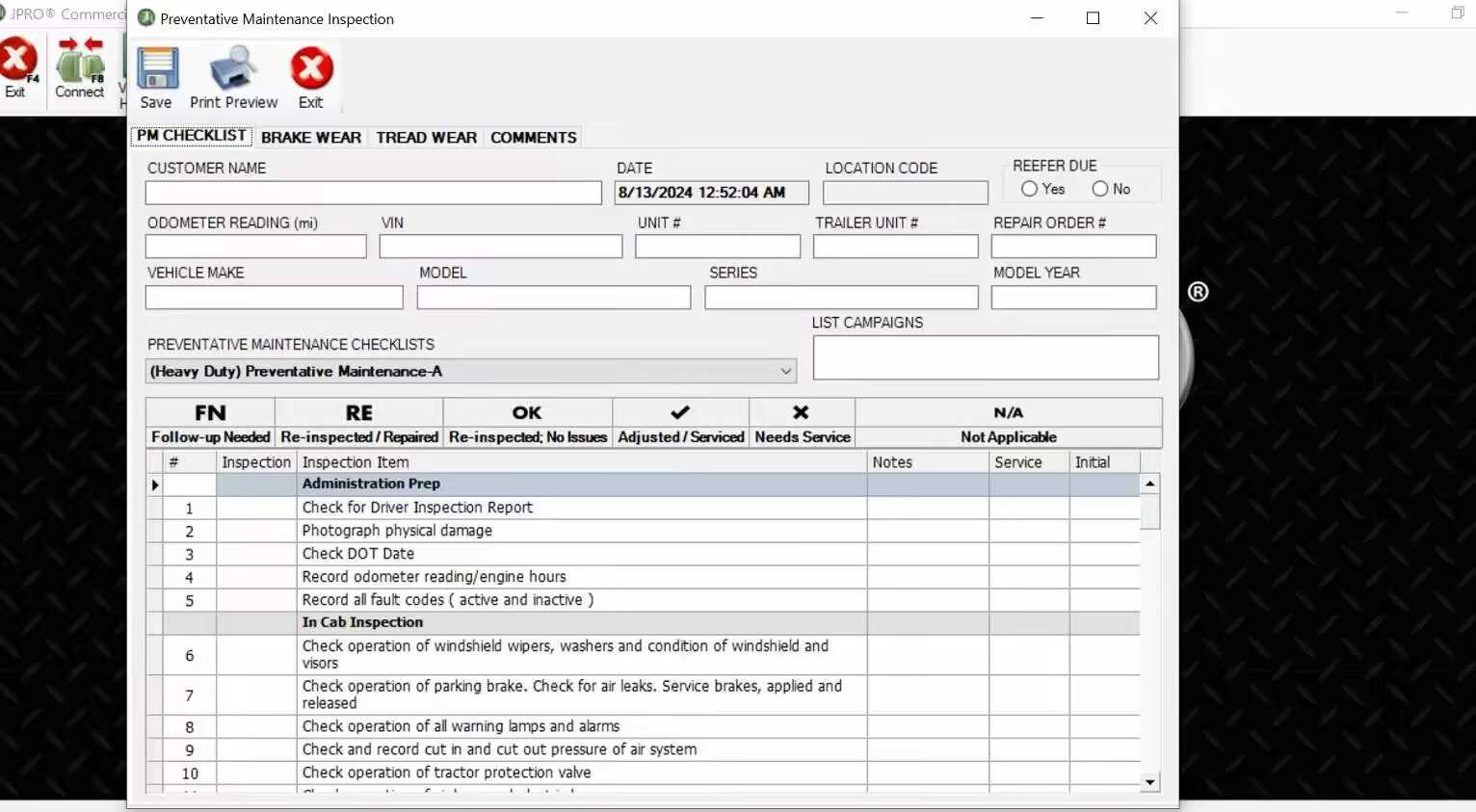
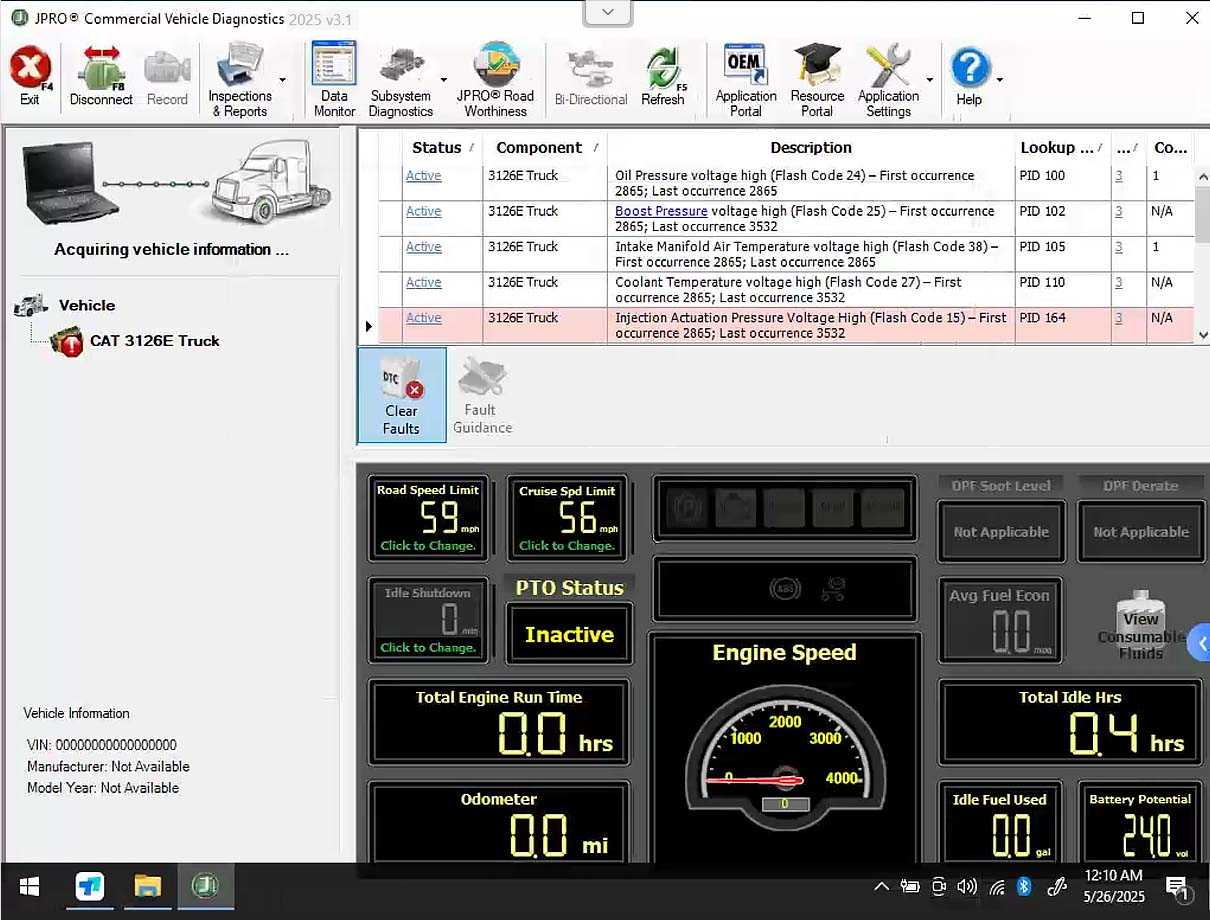
Here is a massive feature gap that most shops overlook. The 2019 version of JPRO was strictly "On-Highway." It looked at semi-trucks, straight trucks, and maybe some buses.
2025 V3 JPRO has exploded into off-highway equipment.
Noregon has added support for over 1,000 new equipment models in the 2025 release. This includes:
John Deere construction and forestry equipment.
Caterpillar heavy machinery.
Bobcat skid steers and compact loaders.
If your shop services a mixed fleet of dump trucks, excavators, and loaders, the 2025 software turns your DLA+ 2.0 into a universal construction scanner. The 2019 version simply cannot see these machines.
If you operate in or haul into California, the 2019 software is a liability. The California Air Resources Board (CARB) has implemented the "Clean Truck Check" program.
JPRO 2019: No concept of CARB compliance. You can clear codes, but you have no idea if the truck will pass a roadside sniff test.
JPRO 2025: Includes a dedicated CARB Clean Truck Check pre-scan. This feature runs a specific sequence to verify that NOx sensors, particulate matter sensors, and DEF quality are within legal limits before you send the truck down the road.
Using 2019 software on a truck that needs to cross the grapevine into LA is a gamble that could cost you thousands in fines.
A diagnostic tool that only reads codes is just a code reader. A professional scanner issues commands. This is called "bi-directional control."
2019 Version: Basic bi-directional controls. You can command a DPF regen and maybe cycle the ABS solenoids. It works fine for older mechanical engines.
2025 Version: Expanded bi-directional tests for Caterpillar, Cummins, and Detroit Diesel. You can now perform advanced actions like:
Diesel Exhaust Fluid (DEF) dosing tests.
Turbo actuator sweeps.
Cylinder cutout tests on modern high-pressure common rail systems.
Forced SCR (Selective Catalytic Reduction) derate clearing.
Without the 2025 software, you cannot perform these advanced diagnostic steps on a modern truck. You are relegated to swapping parts, which is expensive and unprofessional.
| Feature | JPRO 2019 | JPRO 2025 |
|---|---|---|
| Max Truck Year | 2020 | 2025 |
| 2024-2025 ECU Protocols | ❌ Not Supported | ✅ Full Support |
| Off-Highway (Cat, Deere) | ❌ Minimal | ✅ 1,000+ Models |
| CARB Clean Truck Check | ❌ No | ✅ Yes (Pre-scan) |
| Bi-directional Testing | Basic (Legacy) | Advanced (Current Gen) |
| Telematics Gateway Access | ❌ No | ✅ Yes |
The answer depends entirely on your fleet's age.
Stick with JPRO 2019 if:
You run a classic fleet (pre-2020 exclusively).
You never service trucks with aftertreatment systems (rare).
You do not care about CARB compliance or off-highway work.
Upgrade to JPRO 2025 immediately if:
You have even one 2021 or newer truck in your bay.
You work on construction or agricultural equipment.
You haul freight in or out of California.
You want to perform modern bi-directional tests rather than guessing repairs.
The JPRO DLA+ 2.0 hardware is a workhorse. It will likely last you another decade. But the software is the key. The difference between 2019 and 2025 is not incremental—it is a generational leap.
By staying on 2019 software, you are effectively telling customers with 2021-2025 trucks to go to another shop. You are also opening yourself up to compliance risks and inefficient diagnostic workflows. The 2025 version future-proofs your scanner for the next several years, covering today’s trucks and the off-highway equipment that keeps moving into the diesel space.
Don't let your software age out your hardware. If you service modern heavy-duty trucks, the 2025 update for the JPRO DLA+ 2.0 isn't a luxury—it is the cost of doing business.


