Wondering if buying a car diagnostic tool is worth it? Learn how DIY car diagnostics work, costs, phone compatibility, and whether scanners detect all problems. Get expert insights and user opinions!
Modern cars rely heavily on onboard computers to monitor performance, emissions, and potential issues. When the "Check Engine" light appears, many drivers wonder: Is it worth buying a car diagnostic tool? Can you perform diagnostics yourself, or should you rely on a mechanic?
This guide answers key questions, including:
Can I do a car diagnostic myself?
How much does a diagnostic test cost at a shop?
What is a car diagnostic scanner, and how does it work?
Can I use my phone as a car diagnostic tool?
Do these tools detect all car problems?
We’ll also explore forum discussions, compare costs, and help you decide whether investing in a scanner is right for you.
What Is a Car Diagnostic Scanner?
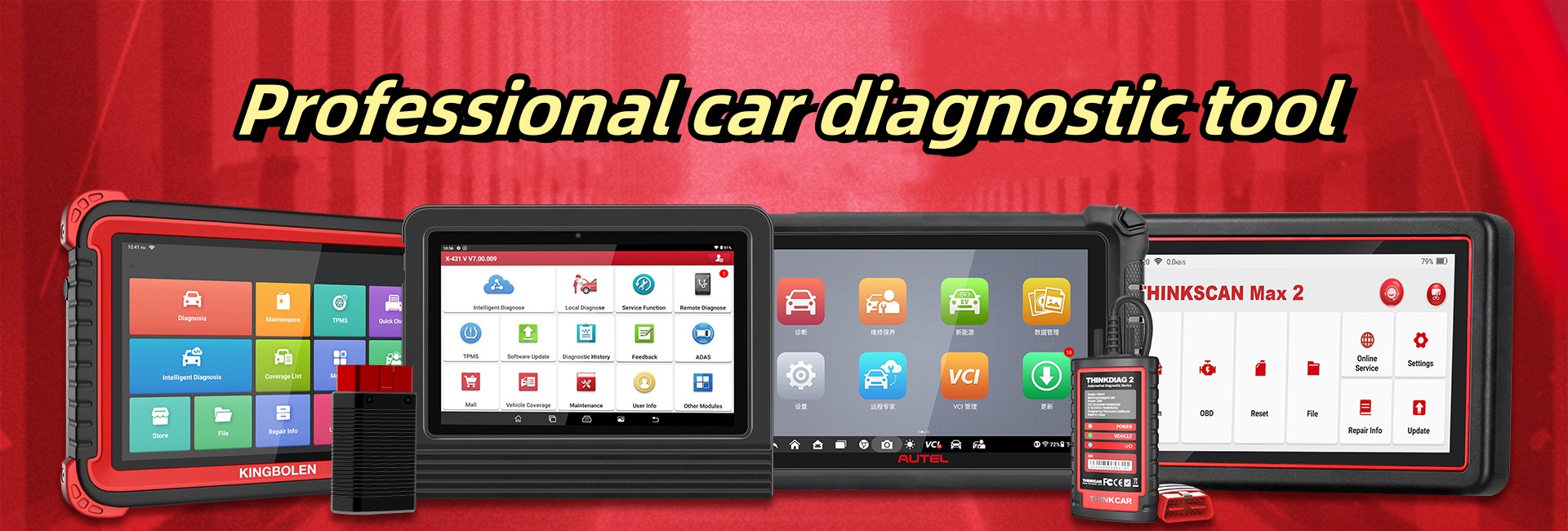
A car diagnostic scanner (or OBD2 scanner) is a device that reads trouble codes from your vehicle’s onboard computer (OBD2 system). These codes help identify engine, transmission, emissions, and electrical issues.
Basic Code Readers – Displays error codes (e.g., P0420 for catalytic converter issues).
Advanced Scanners – Provides live data, resets warning lights, and offers repair suggestions.
Bluetooth/Wi-Fi Scanners – Connects to smartphones via apps like Torque Pro or FIXD.
Professional-Grade Tools – Used by mechanics (e.g., Autel, Snap-on).
Is It Worth Buying a Car Diagnostic Tool?
Pros of Owning a Scanner
✅ Save Money on Diagnostics – Mechanics charge $50–$150 per scan; a basic scanner costs $20–$100.
✅ Early Problem Detection – Catch minor issues before they become costly repairs.
✅ DIY Repairs – Many fixes (e.g., oxygen sensor replacement) can be done at home.
✅ Used Car Inspections – Check for hidden issues before buying a vehicle.
Cons of Owning a Scanner
❌ Limited Repair Guidance – Some codes require professional interpretation.
❌ Not All Problems Are Detected – Mechanical issues (e.g., worn brakes) won’t trigger codes.
❌ Overwhelming for Beginners – Complex data may confuse first-time users.
What Blog & Forum Users Say
Reddit User (r/MechanicAdvice): "A $30 Bluetooth scanner paid for itself in one use when I diagnosed a bad oxygen sensor."
Car Enthusiast Forum: "If you’re not comfortable fixing issues yourself, a scanner might just cause unnecessary stress."
Verdict: Worth it if you’re a DIYer or want to avoid mechanic fees.
Can I Do a Car Diagnostic Myself?
Yes! Basic diagnostics are simple:
Plug the scanner into the OBD2 port (usually under the dashboard).
Turn on the ignition (engine off).
Read the codes and search online for fixes.
Advanced diagnostics (live data, ABS/SRS scans) may require pricier tools.
Dealerships & Mechanics – $80–$200, depending on complexity.
DIY vs. Professional Scan:
| Scenario |
Cost |
Best For |
| Basic OBD2 Scanner |
$20–$100 |
Quick code checks |
| Mechanic Diagnostic |
$80–$200 |
Complex issues (transmission, airbags) |
Yes! With a Bluetooth/Wi-Fi OBD2 adapter ($10–$50) and an app like:
Torque Pro (Android) – $5, offers live data and logging.
FIXD (iOS/Android) – Free basic scans, subscription for deeper analysis.
Limitations:Not as powerful as standalone scanners.
Some advanced functions (coding, module reset) may be missing.
Can a Car Diagnostic Tool Detect All Problems?
No. Scanners only read computer-related issues. They won’t detect:
Mechanical wear (brakes, suspension).
Non-OBD2 systems (pre-1996 cars).
Intermittent issues (unless the code is stored).
Example: A misfire may trigger a code, but a scanner won’t tell you if it’s due to bad spark plugs or a fuel injector.
Best Car Diagnostic Tools in 2024
Budget Pick: BlueDriver Bluetooth Pro ($99) – Great for beginners.
Mid-Range: Autel AutoLink AL319 ($35) – Simple & reliable.
Professional:
Autel MaxiCOM MK808 ($400) – Full-system scans.
Final Verdict: Should You Buy One?
✔ Buy if:
You DIY repairs.
You want to save on mechanic scans.
You own multiple cars.
❌ Skip if:
You prefer leaving repairs to professionals.
You drive an older car without OBD2.
A car diagnostic tool is a smart investment for car owners who want to save money, detect issues early, and perform basic repairs. While it won’t replace a mechanic for complex problems, it provides valuable insights and peace of mind.
Have you used a diagnostic scanner? Share your experience in the comments!