
What is the Porsche PIWIS 3 (PIWIS III)?
The Porsche PIWIS 3 (Porsche Integrated Workshop Information System III) is the official factory dealer-level diagnostic interface designed for full system scanning, ECU online/offline coding, immobilizer key programming, and guided component adaptations across all Porsche models. It is the only tool capable of performing native DoIP (Diagnostics over Internet Protocol) operations, automated valve block bleeding, and PASM/PDCC suspension level calibrations required to restore Sport/Sport Plus modes and clear hard safety lockouts on vehicles like the Panamera (970/971), Cayenne (92A/9YA), Macan, Taycan, and 911 (991/992).
When servicing Porsche chassis systems—such as fixing a loose hydraulic line on a 2015 Porsche Panamera GTS (970.2)—repairing the mechanical leak and topping off fluids is only half the battle.
The Porsche Active Suspension Management (PASM) and Porsche Dynamic Chassis Control (PDCC) control modules enforce strict safety protocols. When fluid levels drop or air enters the lines, the chassis gateway triggers a hard safety lockout:
Vehicle height adjustment is disabled ("No Suspension Mode").
Sport Mode and Sport Plus Mode are completely deactivated.
Active Diagnostic Trouble Codes (DTCs) remain permanently stored in the control module memory.
Generic OBD2 tools and entry-level handheld scanners cannot clear these hard codes because Porsche requires bi-directional actuation, guided air/hydraulic bleeding, and reference height calibration before the safety lockout is released. The PIWIS 3 system provides direct access to factory CAN channels and low-level routines to execute this process seamlessly.
| System Feature | Porsche PIWIS 3 (Factory Direct) | Universal Auto Scanners (Autel / Launch) |
| PASM / PDCC Calibration | Automated fill & bleed routine with precise millimeter height adaptation | Basic fault clearing; limited height adaptation algorithms |
| DoIP Platform Support | Native DoIP hardware support (Taycan, Cayenne 9YA, 991/992, Panamera 971) | Requires specialized optional VCI hardware dongles |
| Operating Modes | Dual V-Mode (Standard Diagnostics) & E-Mode (Developer / Engineering) | Standard diagnostic modes only |
| ECU Flashing & Coding | Offline variant coding & Online PPN (Porsche Partner Network) programming | Variant coding only; no official PPN online access |
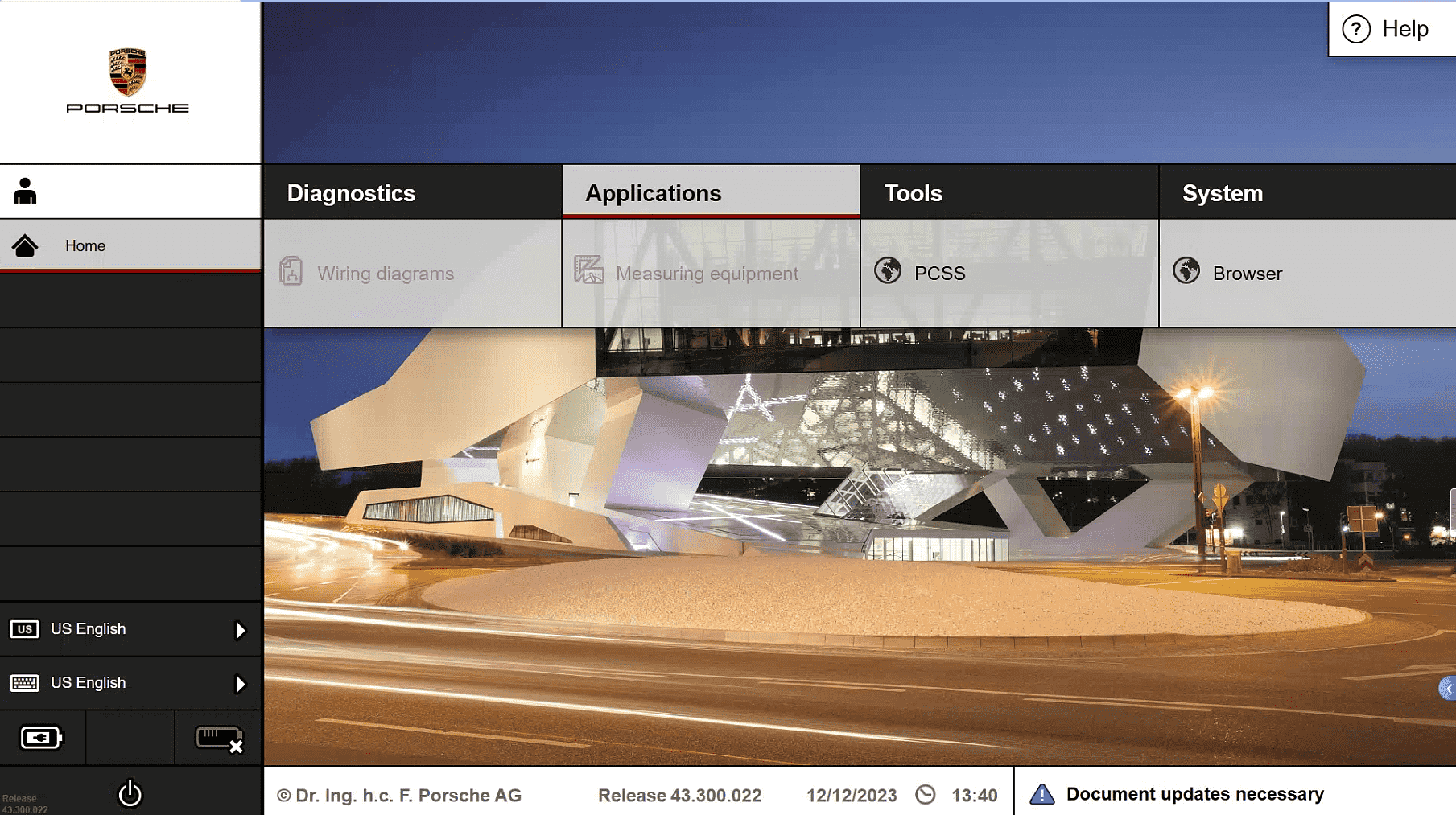
| Wiring Diagrams & TSBs | Integrated interactive factory wiring diagrams and guided troubleshooting | None (Requires external repair manuals) |
If you are dealing with a Panamera GTS or Cayenne stuck in suspension lockout following a repair, execute the following verified workshop routine:
Clean Power Supply: Connect a regulated 12V–14V battery support charger (minimum 50A capacity) to the engine bay jumper posts. Voltage dips below 12.2V will cause calibration procedures to abort mid-process.
Physical Check: Confirm hydraulic/pneumatic fluid levels are topped off and no active leaks exist.
Level Surface: Position the vehicle on a level alignment lift with proper cold tire pressures.
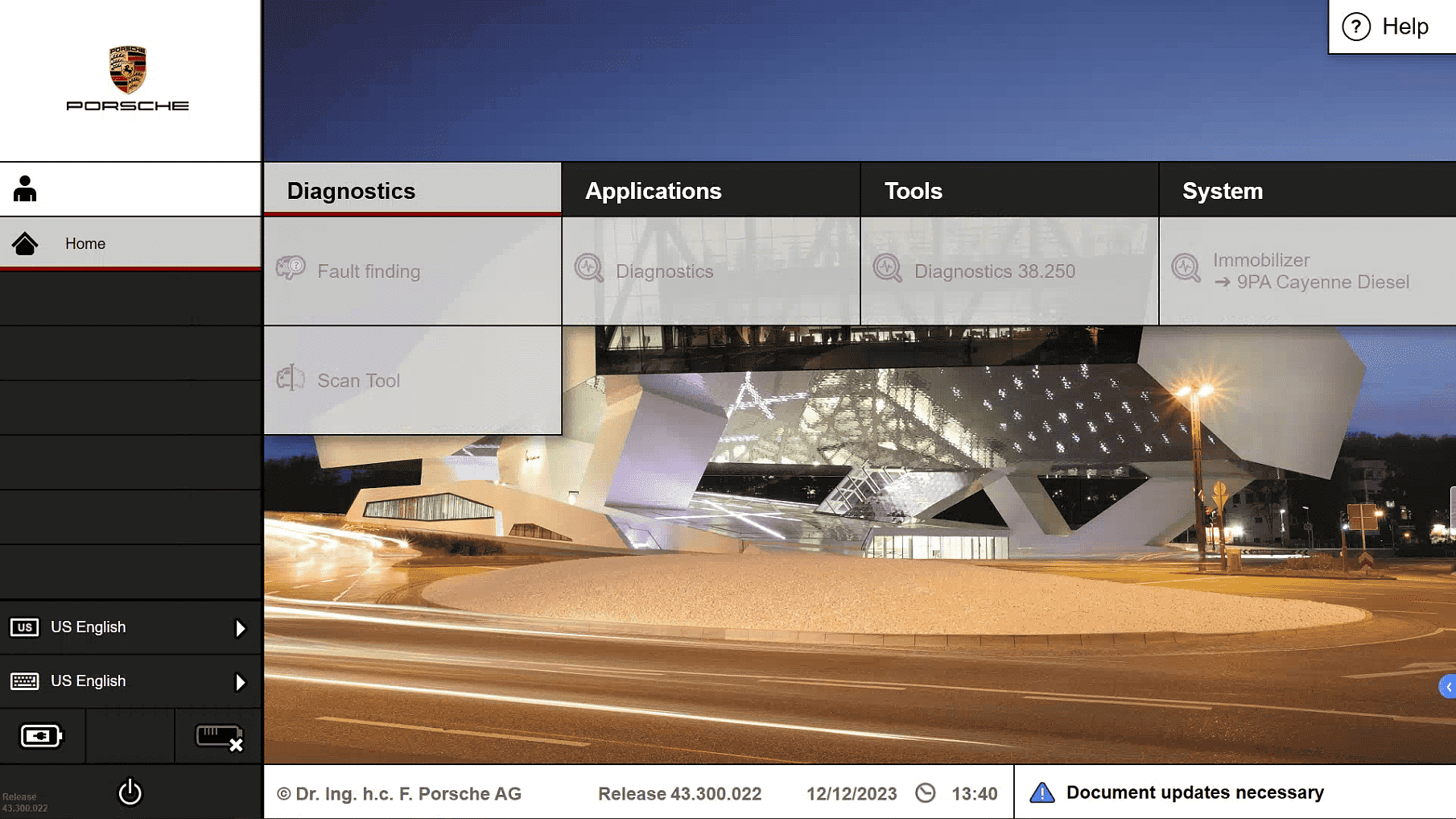
Connect the PIWIS 3 VCI to the OBD2 port and boot the diagnostic application.
Select Panamera (970) and initiate a full vehicle control module scan.
Access Level Control System (PASM) and PDCC modules; record and clear all stored DTCs.
Navigate to Maintenance / Repairs $\rightarrow$ Guided Procedures $\rightarrow$ Fill & Bleed System. Run the routine to cycle the valve block and purge trapped air or cavitation.
Launch Suspension Level Calibration. The system will actuate each corner to establish voltage baseline values from the wheel height sensors.
When prompted by the PIWIS 3 software, measure the distance (in millimeters) from the center of the wheel hub to the fender arch for all four wheels, and enter the values into the software.
Save calibration parameters, turn the ignition off, and wait 2 minutes for the vehicle CAN bus to enter sleep mode.
Turn on the engine: confirm the chassis fault indicator is cleared and Sport Mode / Sport Plus Mode engages immediately.
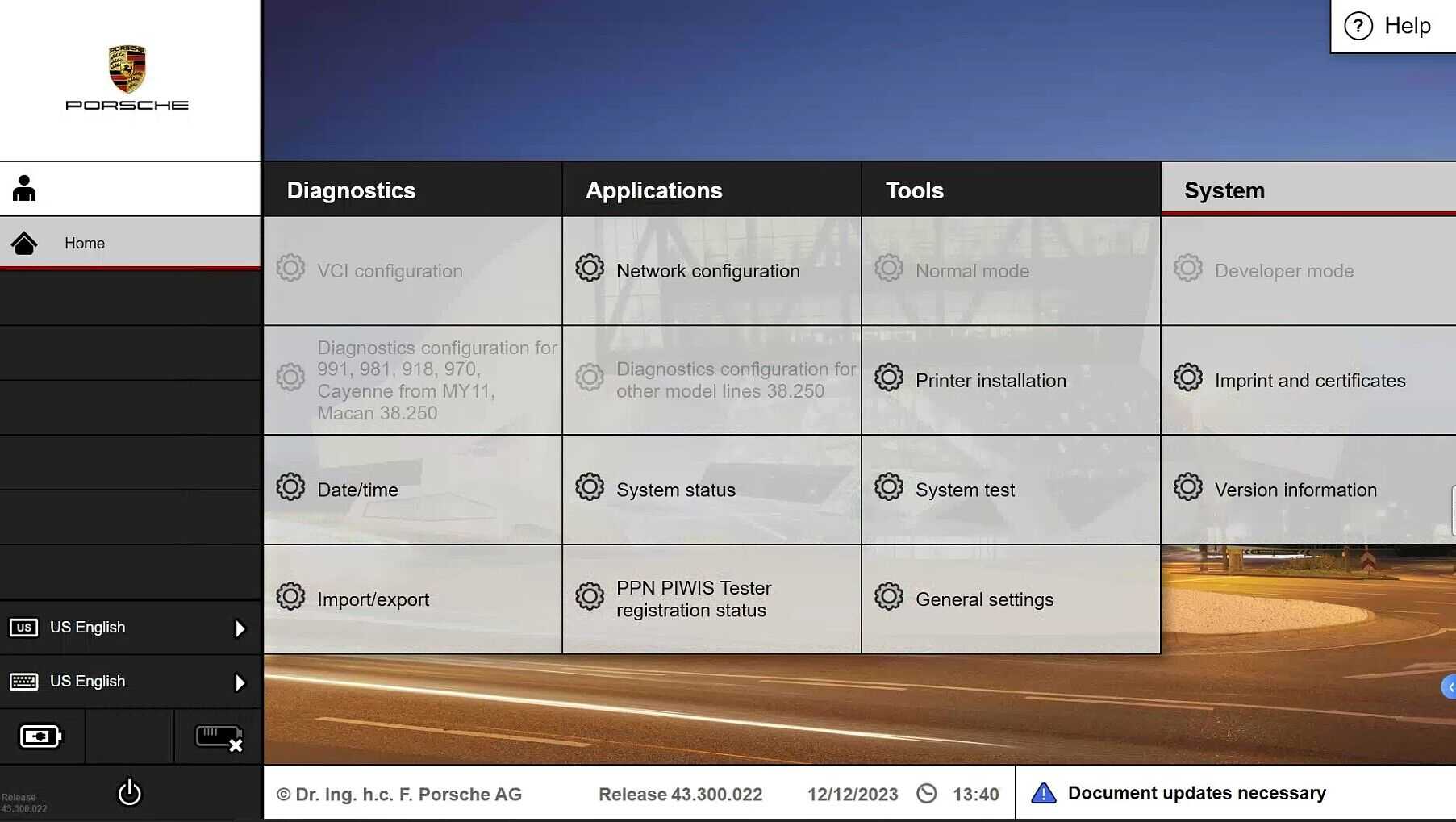
In addition to suspension and drive-mode calibration, the PIWIS 3 system in Engineering Mode (E-Mode / Developer Mode) is an essential tool for automotive locksmiths and ECU programmers:
Key Programming & BCM Matching: Write key data, adapt replacement Body Control Modules (BCM), and perform key learning on 315MHz / 433MHz Porsche smart keys.
Component Protection & Module Adaptation: Adapt replacement instrument clusters, PDK transmission modules, and air-bag modules without needing main-dealer intervention.
Turn-Key Laptop Bundles: Fully configured with Panasonic Toughbook hardware (CF-D1, CF-53, CF-54) and pre-activated software (v41.400 + v38.200 developer edition).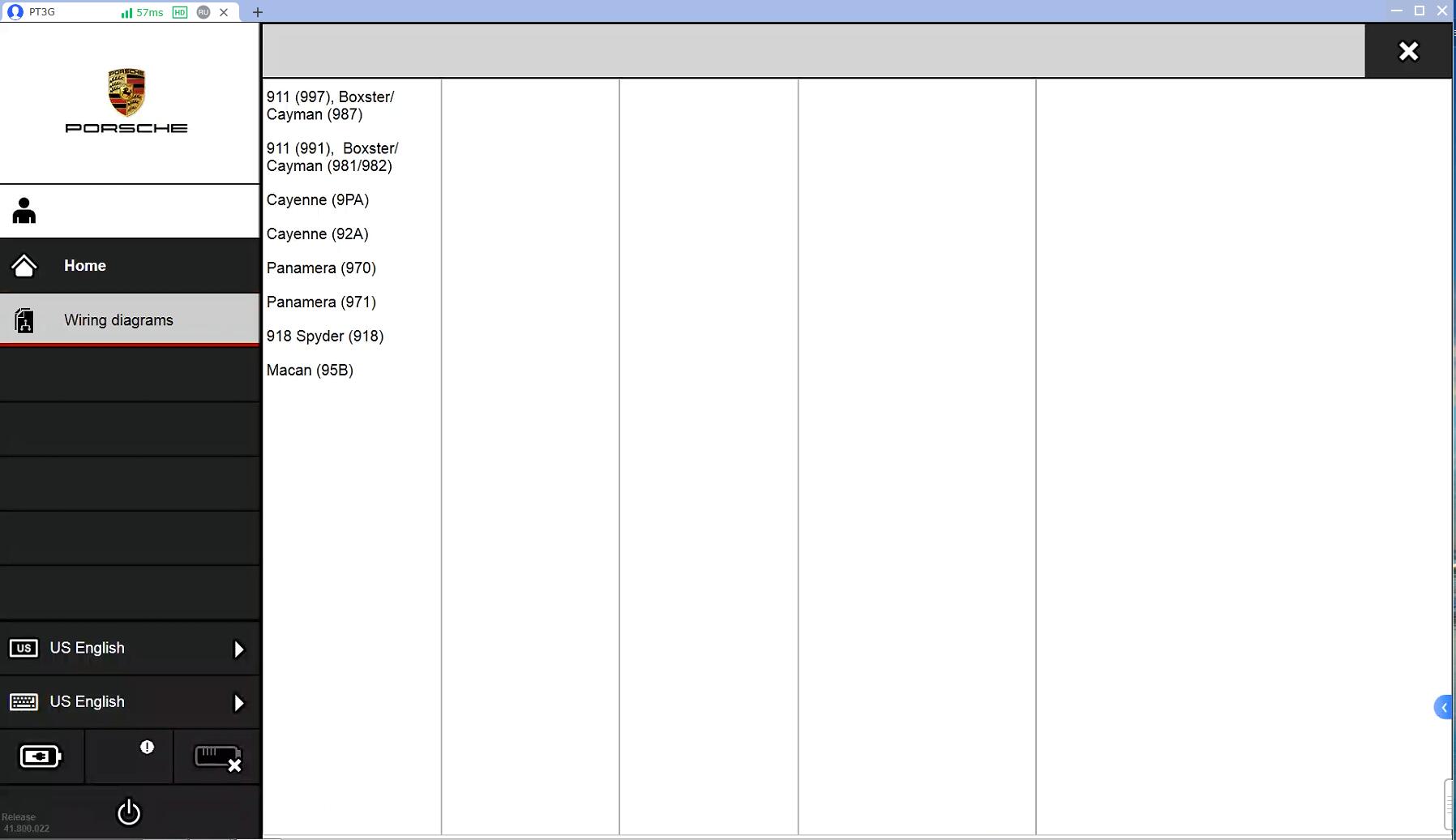
As an established manufacturer and international supplier of automotive diagnostic tools and locksmith equipment based in China,
Factory-Direct Value: Eliminate middleman markup with factory-direct pricing on dealer-level PIWIS 3 kits, Lishi locksmith tools, and ECU programmers.
US Local Warehousing & Global Express: Fast domestic delivery within the United States via US warehouses, alongside express DHL/FedEx shipping worldwide.
Full Technical & Remote Support: Free pre-installation testing, lifetime software assistance, and one-on-one remote TeamViewer technical setup.
Q1: Can I reset my Porsche Panamera suspension mode without PIWIS 3?
A: While high-end professional multi-brand scanners (such as Autel MaxiSYS or Launch X431) can perform basic level adaptations, hard lockouts caused by fluid loss often require the guided fill-and-bleed routines unique to the factory PIWIS 3 interface.
Q2: Will clearing codes fix the problem if I still have an air/hydraulic leak?
A: No. If an active fluid leak or sensor fault persists, the level control module will immediately re-detect the pressure variance and re-engage safety lockout mode within a few drive cycles.
Q3: Where can I order tested Porsche PIWIS 3 diagnostic kits with warranty and technical support?
A: Complete plug-and-play PIWIS 3 kits, hardware VCIs, and professional locksmith tools can be ordered directly from


